Méthode traditionnelle, from vine to cork
Slow, on purpose.
Three blocks on one slope, picked by hand before dawn, then years in the bottle under the hill. Here is every step, in order.
Your cart
We need to confirm you're 18 or over before we take an order.
It is against the law to sell or supply alcohol to, or to obtain alcohol on behalf of, a person under the age of 18 years. An adult signs for every delivery. Liquor licence LIQP000000000 (demo).
Demo checkout
This is where a live Ember Hill site hands your cart to the winery's own wine platform, such as Commerce7, Shopify or OrderPort, for payment, freight and club pricing.
Nothing has been charged and nothing will be sent: Ember Hill is a demo built by Newcastle Web Co.
Slow, on purpose.
Three blocks on one slope, picked by hand before dawn, then years in the bottle under the hill. Here is every step, in order.
The vineyard
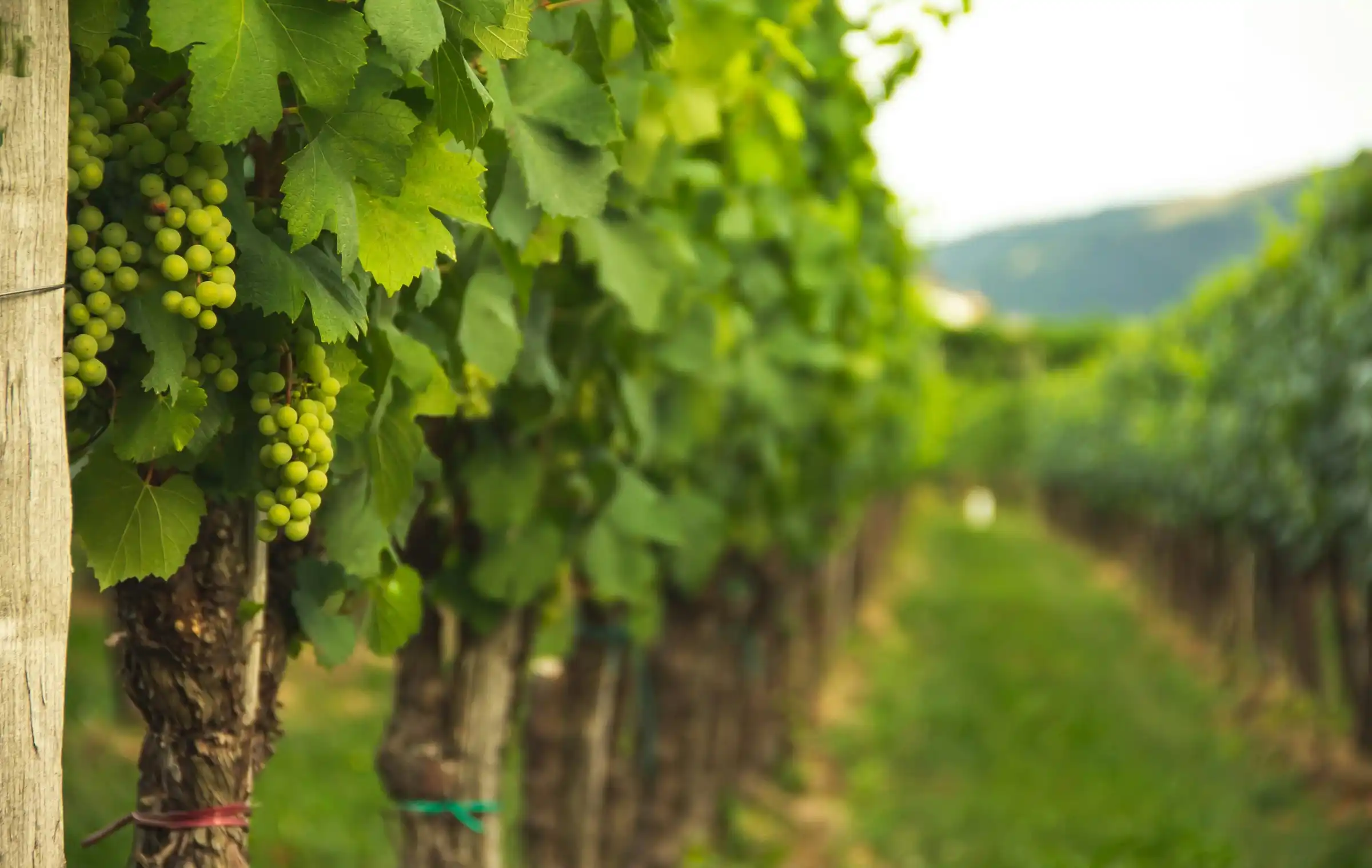
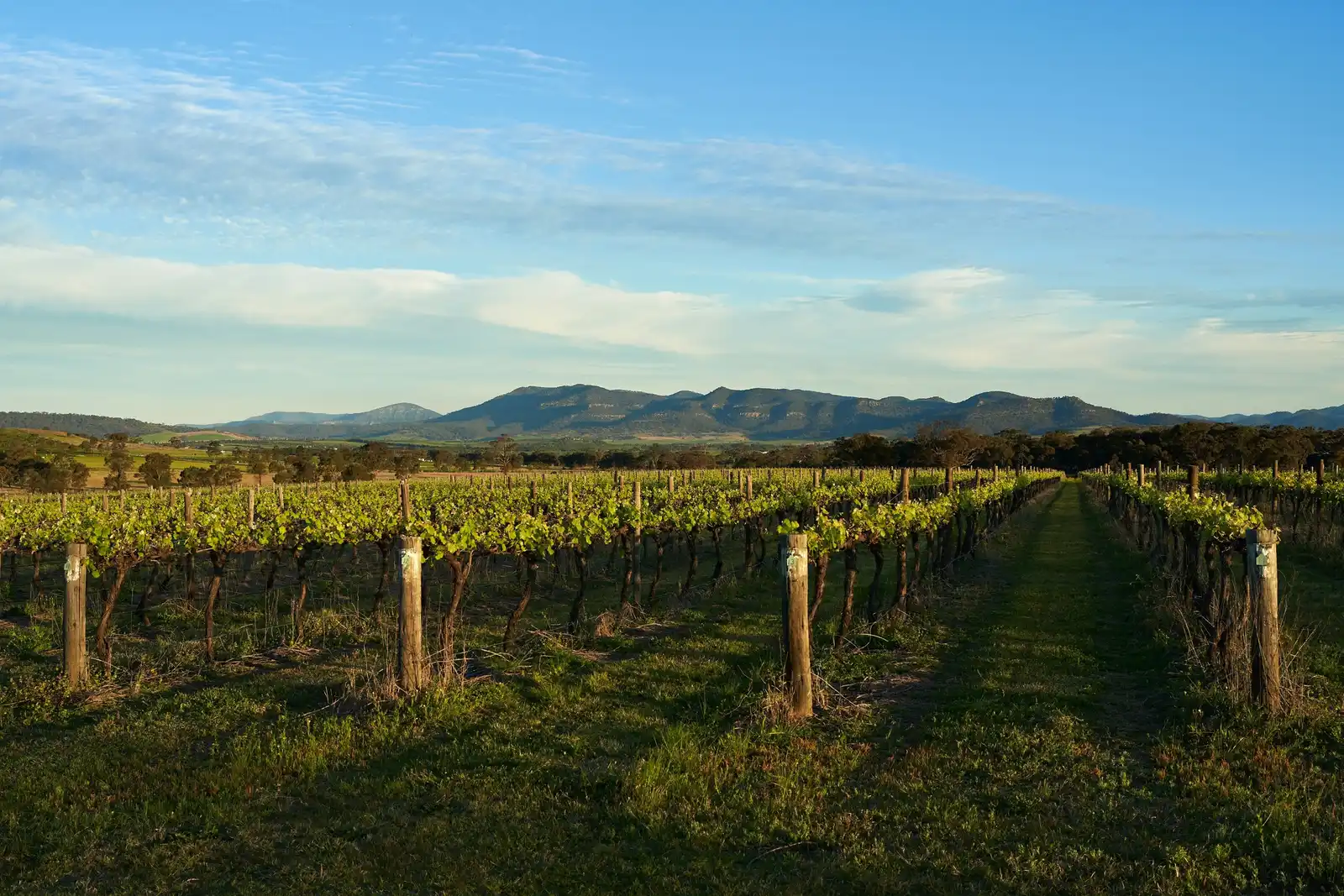
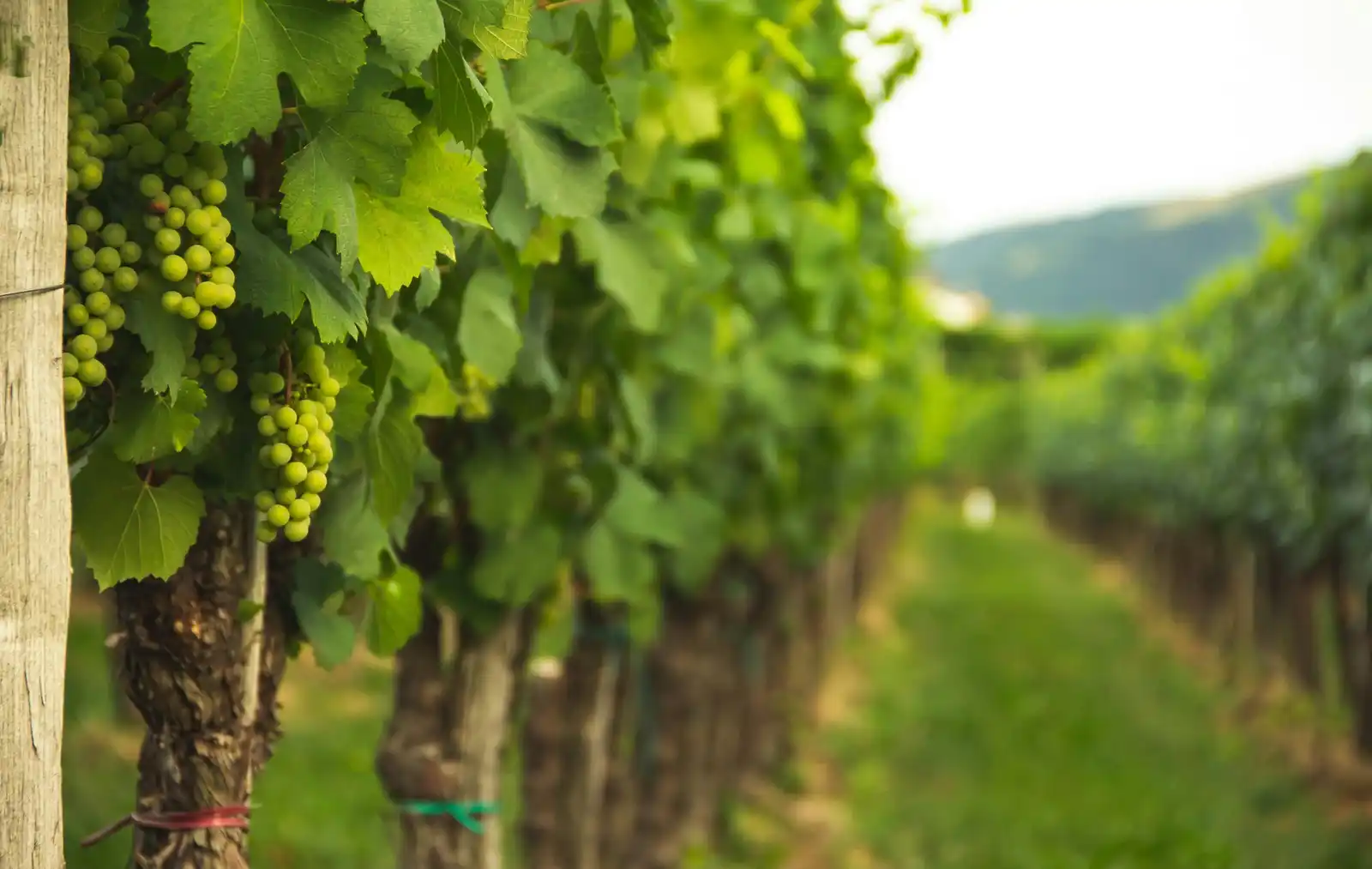
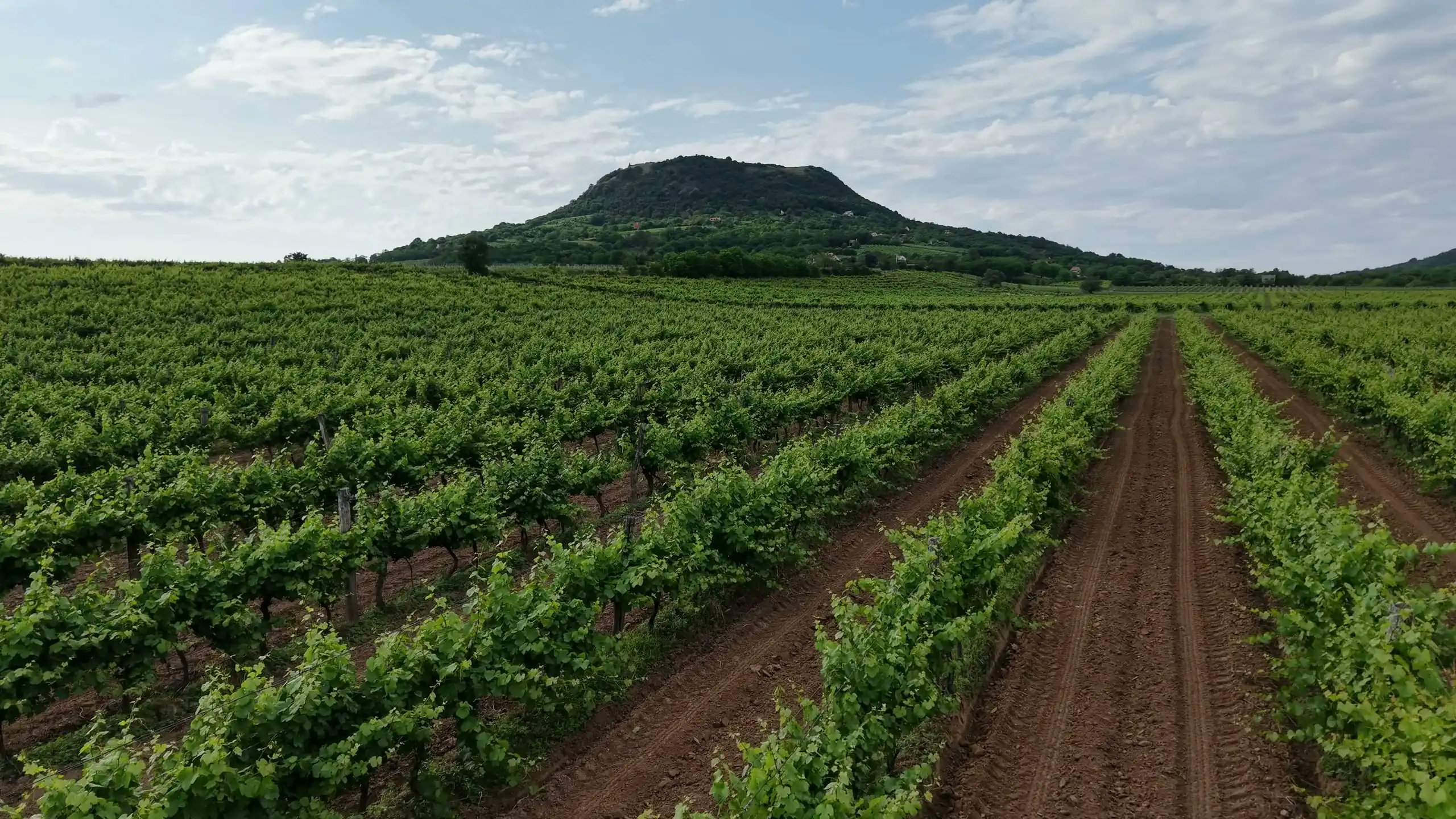
Méthode traditionnelle is the slow way to make sparkling wine, and at Ember Hill it starts on 14 hectares of slope below the ironstone ridge in Pokolbin. Every bottle we release is traditional method sparkling wine: the second fermentation, the one that makes the bubbles, happens inside the bottle you eventually open. Nothing is carbonated and nothing is finished in a pressurised tank.
Helen Marsh planted the vineyard in 1971 with the three grapes the method grew up around: chardonnay, pinot noir and pinot meunier. They grow in three blocks on the one slope, and each block is picked, pressed and fermented on its own, so Daniel Marsh, our chief winemaker, can taste them apart before he decides what goes into which cuvée.
The Hunter is warm country, better known for semillon and shiraz than for bubbles. That shapes everything we do in the rows, starting with when we pick.
The three blocks
Three grapes, three parcels of the slope, each with a job to do in the blend.
The highest rows, just under the ridge. Chardonnay gives the house its line of lemon and chalk, and it is the whole of the Blanc de Blancs. It is also the part of the blend that ages most gracefully on lees, which is why it carries the Late Disgorged.
Pinot noir from the Hill Block brings red fruit, weight and structure. It is the heart of the Blanc de Noirs and the Rosé, where a day on skins before pressing gives the wine its colour.
The lower rows along the creek. Pinot meunier buds later than pinot noir and ripens a little sooner, and it adds a soft, fruity middle. It makes up a fifth of the Blanc de Noirs.
Harvest
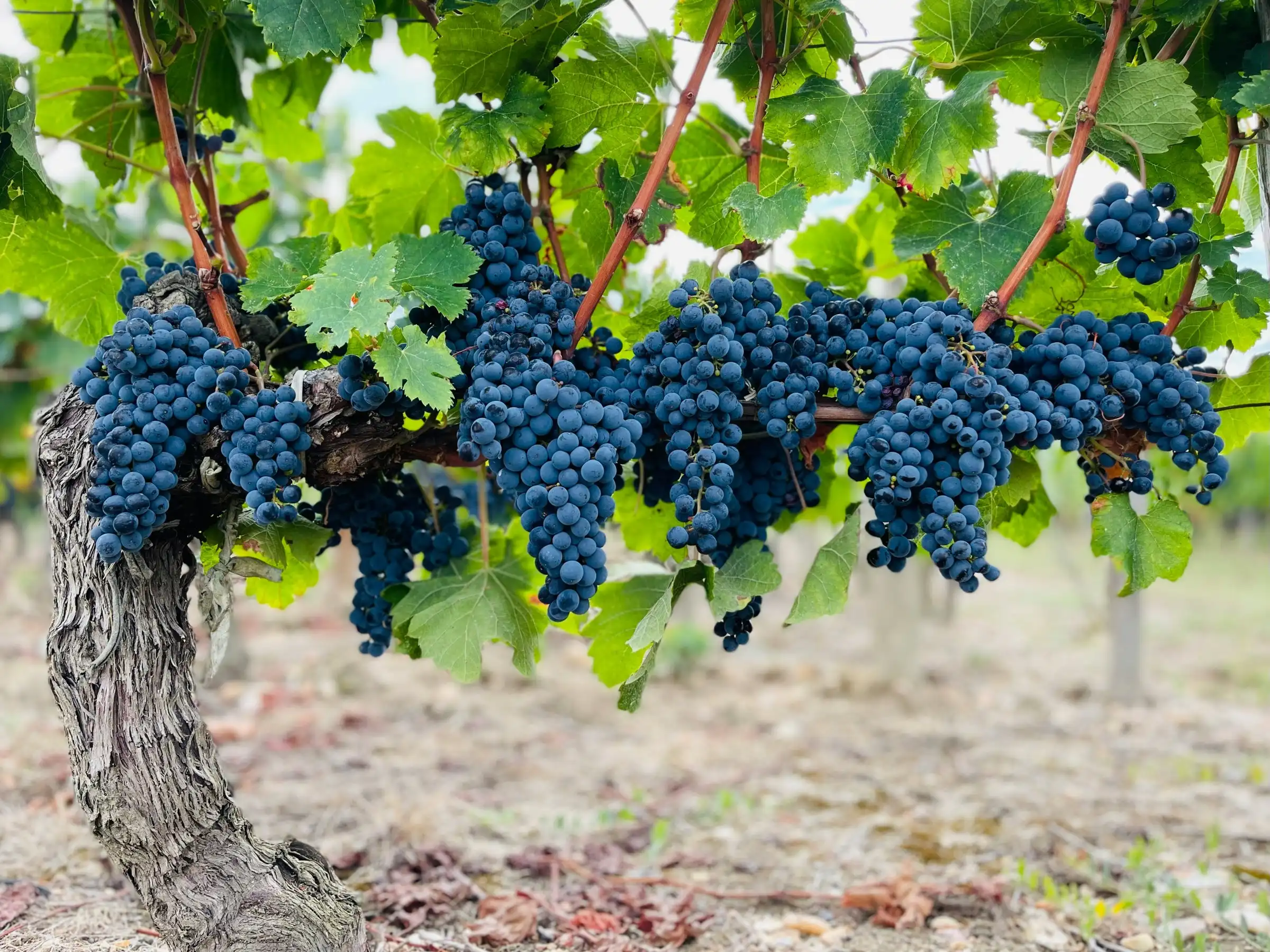
Sparkling fruit is picked for acid, not for sugar. In a warm region that means early, so our harvest falls in January, weeks ahead of the grapes grown for still wine. We pick by hand in the dark and the first light, while the bunches are cool, and the fruit goes to the press as whole bunches so the juice comes off clean and pale, even from the black grapes.
If you want to see a vintage from the visitor's side, there is more in our harvest notes.
The method
This is how traditional method sparkling wine is made. Eight steps, and most of the time between them is spent waiting in the cellar under the hill.
Each block's juice ferments on its own into a still, dry wine with bright acid. It tastes sharp and plain on its own. Daniel tastes every lot and blends the base for each cuvée. You can try a glass of base wine from tank at every cellar door tasting.
The blended base wine is bottled with a measured dose of yeast and sugar, the liqueur de tirage. Each bottle is closed with a crown seal, like a beer cap, because a cork is not needed yet. Then the bottles are laid down on their sides in the cellar.
Inside the sealed bottle the yeast eats the sugar. It makes a little more alcohol and carbon dioxide, and with nowhere to go, the gas dissolves into the wine. This is where the bubbles come from. It takes a few weeks and leaves a fine sediment of spent yeast, the lees, along the side of the bottle.
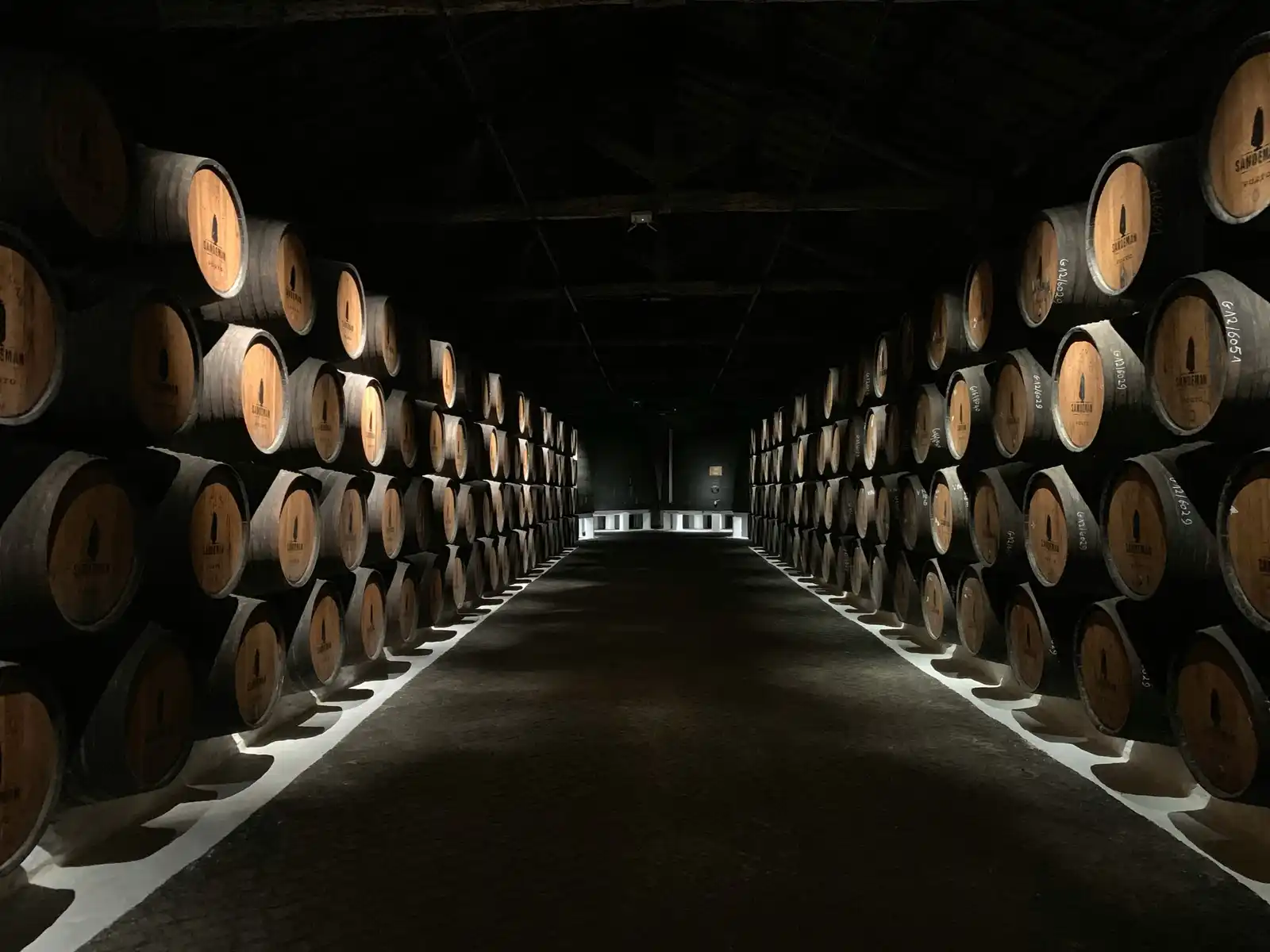
The bottles then rest on those lees for years: three for the Rosé, five for the Blanc de Blancs, six for the Blanc de Noirs and ten for the Late Disgorged. Slowly the yeast cells break down, a process called autolysis, and give the wine its brioche and toast and a finer, softer bead.
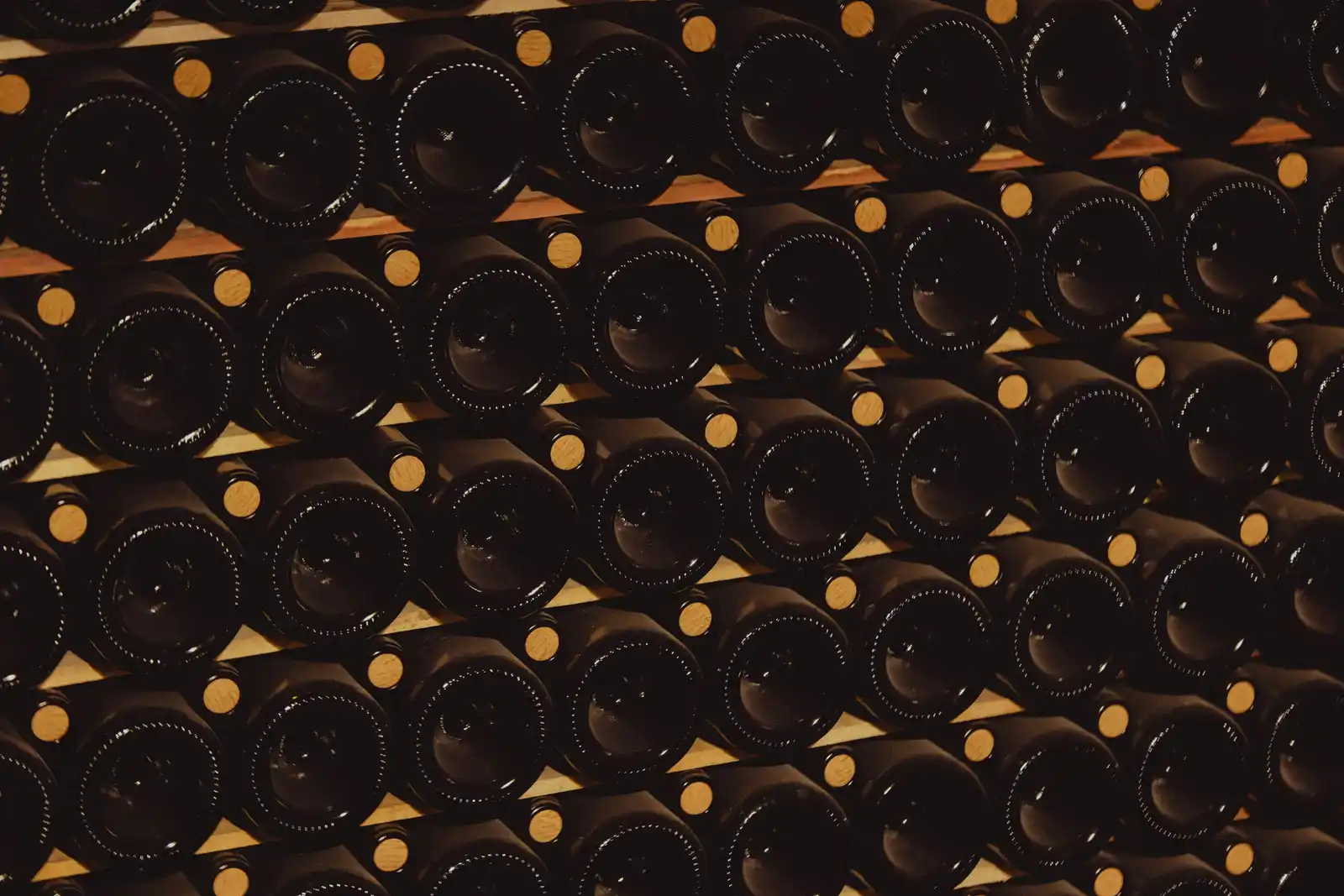
Before a bottle can be cleared, the lees have to be moved into its neck. The bottles go into wooden riddling racks, and each day they are given a small turn by hand and tipped a little steeper. Over several weeks they end upside down, with the sediment settled against the crown seal.
The neck of each bottle is dipped into a freezing bath until the lees are trapped in a small plug of ice. Then the bottle is turned upright and the crown seal comes off. The pressure inside pushes the plug out, and the wine left behind is clear.
A small amount of wine is lost at disgorging, so each bottle is topped up with the liqueur d'expédition, wine with a little sugar or none at all. This sets the style: brut nature is 0 to 3 g/L, extra brut 0 to 6 and brut under 12. Ours run from 0 to 7 g/L.
The bottle is closed with a cork and a wire cage, then rests again for a few months so the dosage can settle into the wine. Only then does it get its label and leave the cellar.
The bubbles are made in the bottle you open. Everything else is patience.
The four cuvées
Every cuvée goes through the same eight steps. What changes is the fruit, the years and the dosage.
In the cellar
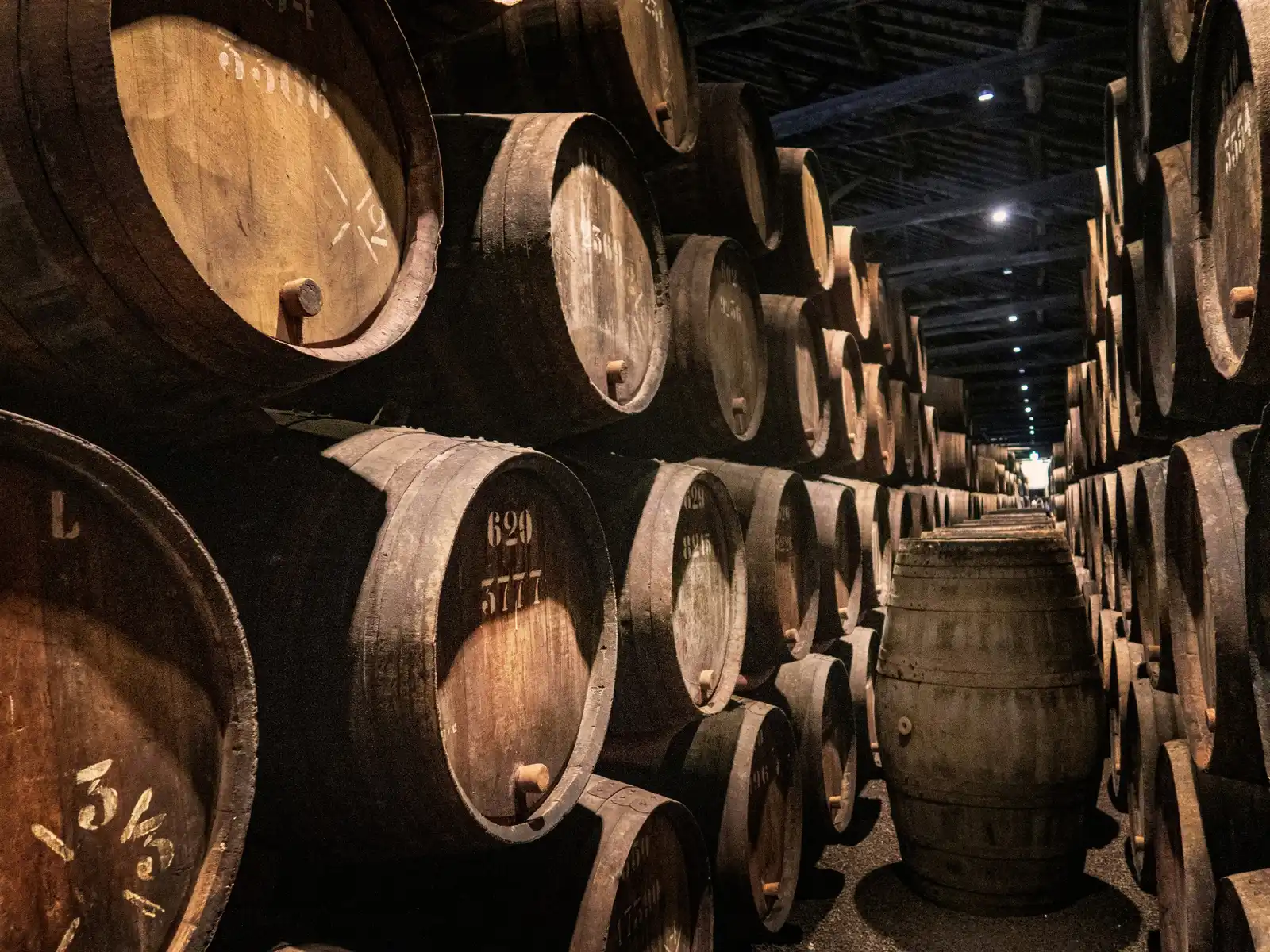
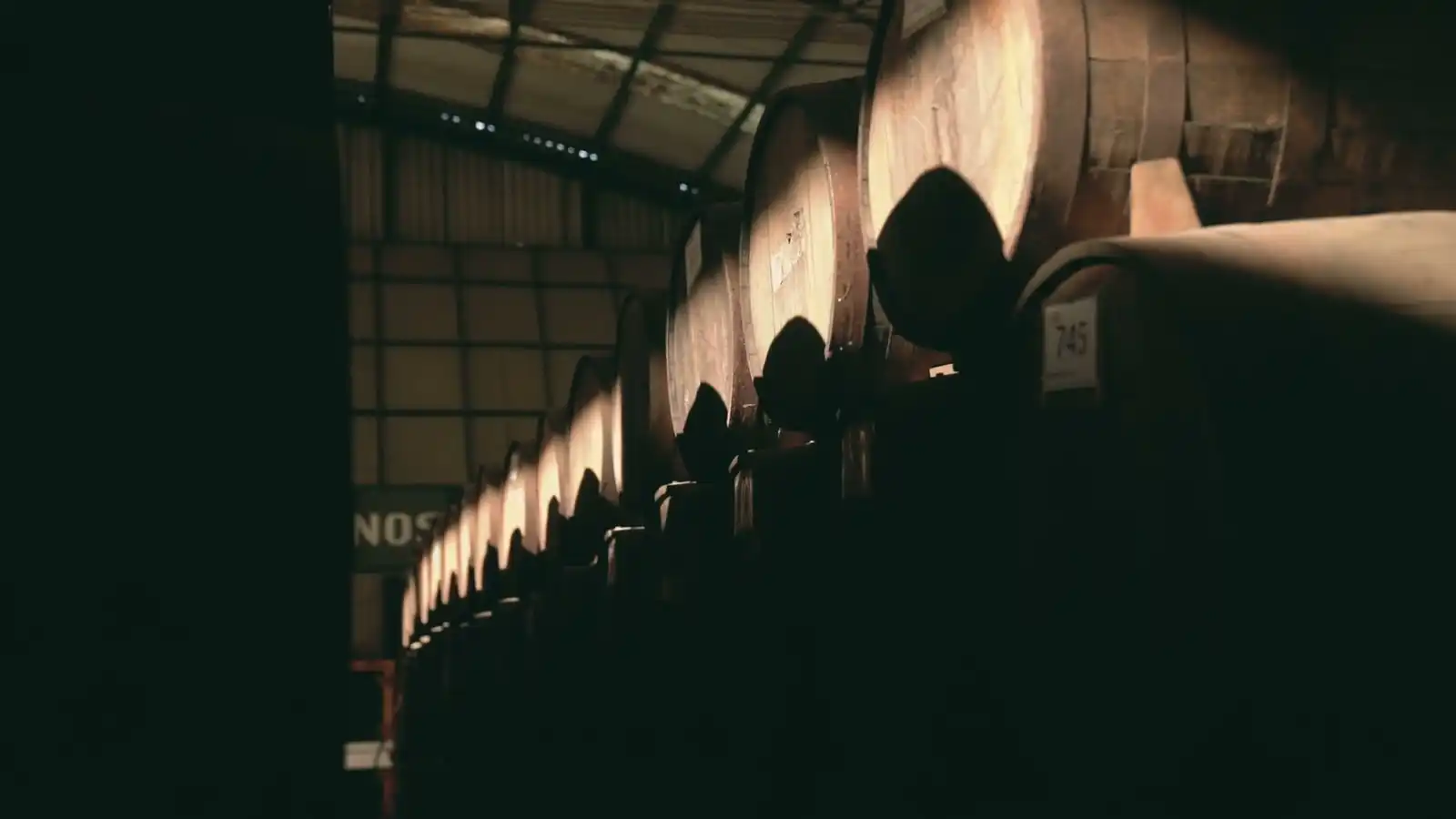
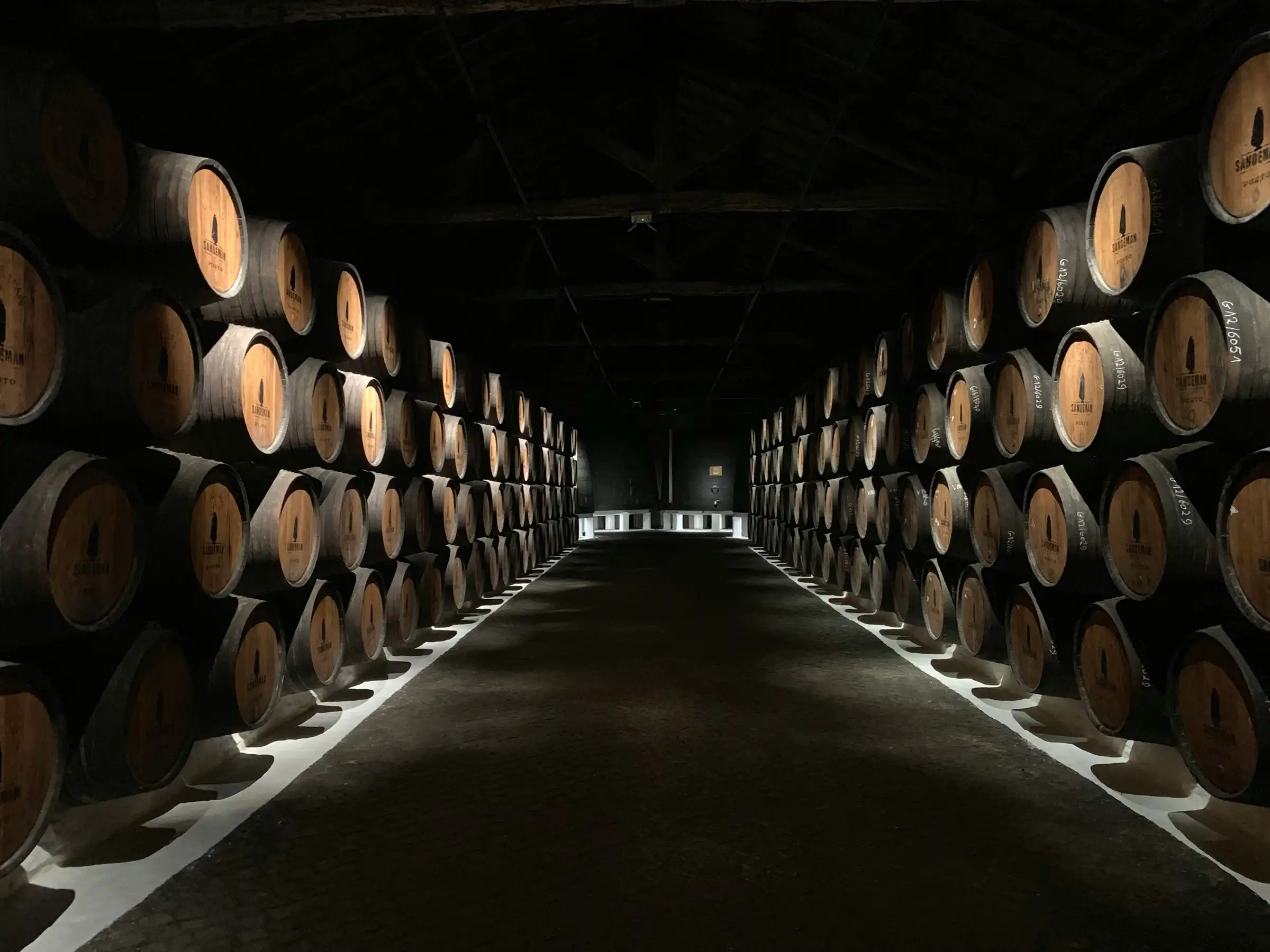
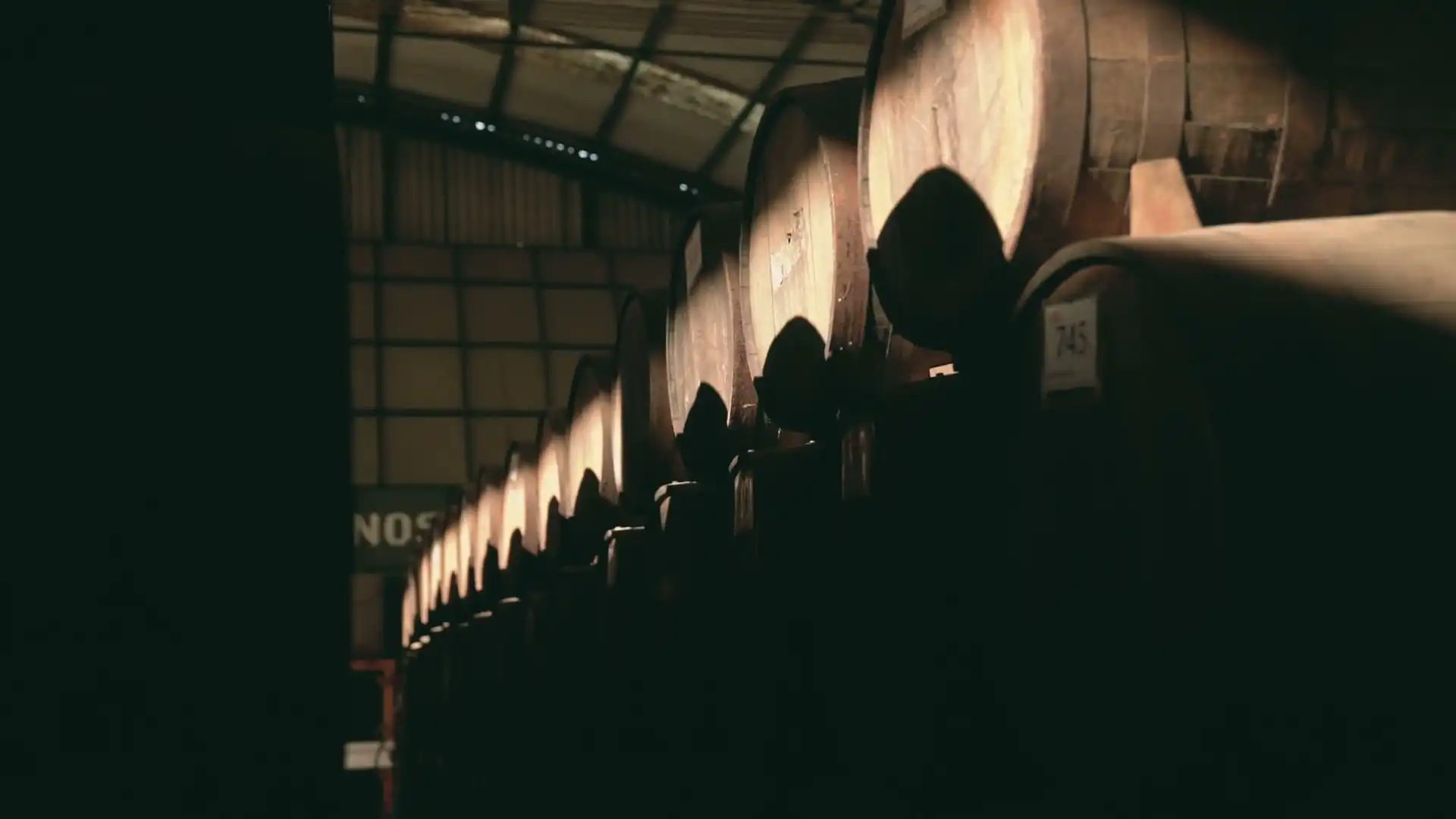
Riddling is the step most visitors want to see. Our racks stand in the cellar under the hill, each bottle sitting neck-first in a hole in the board, and the turns are still made by hand. A good riddler moves along a rack quickly, a quarter turn and a slight lift at a time, and the lees creep a little further down the glass every day.
Disgorging is usually done on a cold line, the neck frozen so the plug of lees comes out cleanly. In the disgorging masterclass on Saturdays we do it the old way, by hand, à la volée: the bottle is tilted, the crown seal flicked off, and the lees fly out with a splash of wine before your thumb goes over the neck. Then you dose your bottle, cork it and wire it, and take it home.
If you would rather watch than do, the riddling room tour runs Friday to Sunday at 11am and 2pm. Our disgorging explainer covers the two methods in more detail.
Questions
Méthode traditionnelle is the French name for the traditional method of making sparkling wine. A still base wine is bottled with yeast and sugar and sealed, and a second fermentation inside that bottle makes the bubbles. The wine then ages on the spent yeast, is riddled so the yeast collects in the neck, and is disgorged and dosed before it is corked. Every Ember Hill wine is made this way.
It depends on the cuvée. The Rosé spends three years on lees, the Blanc de Blancs five, the Blanc de Noirs six and the Late Disgorged ten. All of that time is spent in the bottle you buy, lying in the cellar dug into the hill. Longer on lees generally means more toast, brioche and nut, and a finer, softer bead in the glass.
Riddling, or remuage, is how the lees are moved into the neck of a sparkling wine bottle before disgorging. The bottles sit in angled wooden racks and are turned a little and tipped steeper each day, until after several weeks they stand upside down with the sediment resting on the crown seal. At Ember Hill the riddling is done by hand, and you can see the racks on the riddling room tour.
Disgorging removes the lees from the bottle once riddling has gathered them in the neck. Usually the neck is frozen so the sediment comes out as a plug of ice when the crown seal is lifted. You can do it yourself, by hand, in our disgorging masterclass: Saturdays at 10am, 2.5 hours, $185 a person, up to six guests, 18 and over. You take your own bottle home.
Sparkling wine needs high natural acid and modest sugar in the grapes, because the second fermentation adds alcohol and the long ageing needs freshness to carry it. The Hunter is warm, so fruit ripens quickly. Picking early, in January, catches the chardonnay and pinot while the acid is still bright. We pick by hand before dawn so the bunches reach the press cool and whole.
Dosage is the small top-up of wine, with or without sugar, added after disgorging. It sets the sweetness level on the label. Brut nature has 0 to 3 g/L, extra brut 0 to 6 and brut under 12. Our Late Disgorged is brut nature at 0 g/L, the Blanc de Noirs extra brut at 3 g/L, and the Blanc de Blancs and Rosé are brut at 6 and 7 g/L.
The riddling room tour takes you down under the hill to the racks and the bottles at every stage, with a tasting at the end. Friday to Sunday, 11am and 2pm, $65.