
Australian sparkling wine, made in Pokolbin
Four ways to wait.
One method, three grapes, and anywhere from three to ten years on lees. Every cuvée is grown, made and aged on our hill.
Your cart
We need to confirm you're 18 or over before we take an order.
It is against the law to sell or supply alcohol to, or to obtain alcohol on behalf of, a person under the age of 18 years. An adult signs for every delivery. Liquor licence LIQP000000000 (demo).
Demo checkout
This is where a live Ember Hill site hands your cart to the winery's own wine platform, such as Commerce7, Shopify or OrderPort, for payment, freight and club pricing.
Nothing has been charged and nothing will be sent: Ember Hill is a demo built by Newcastle Web Co.
Four ways to wait.
One method, three grapes, and anywhere from three to ten years on lees. Every cuvée is grown, made and aged on our hill.
The cuvées
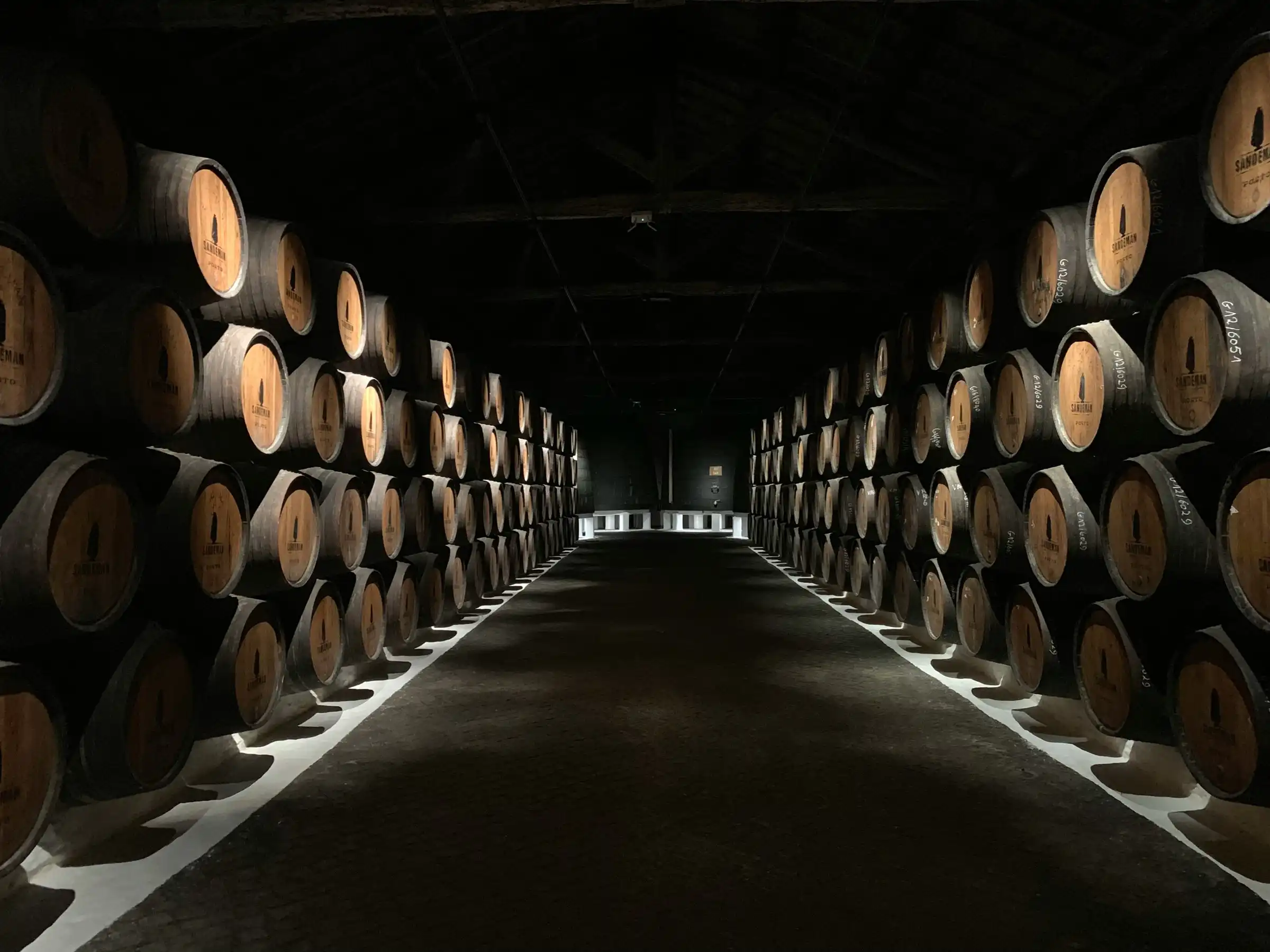
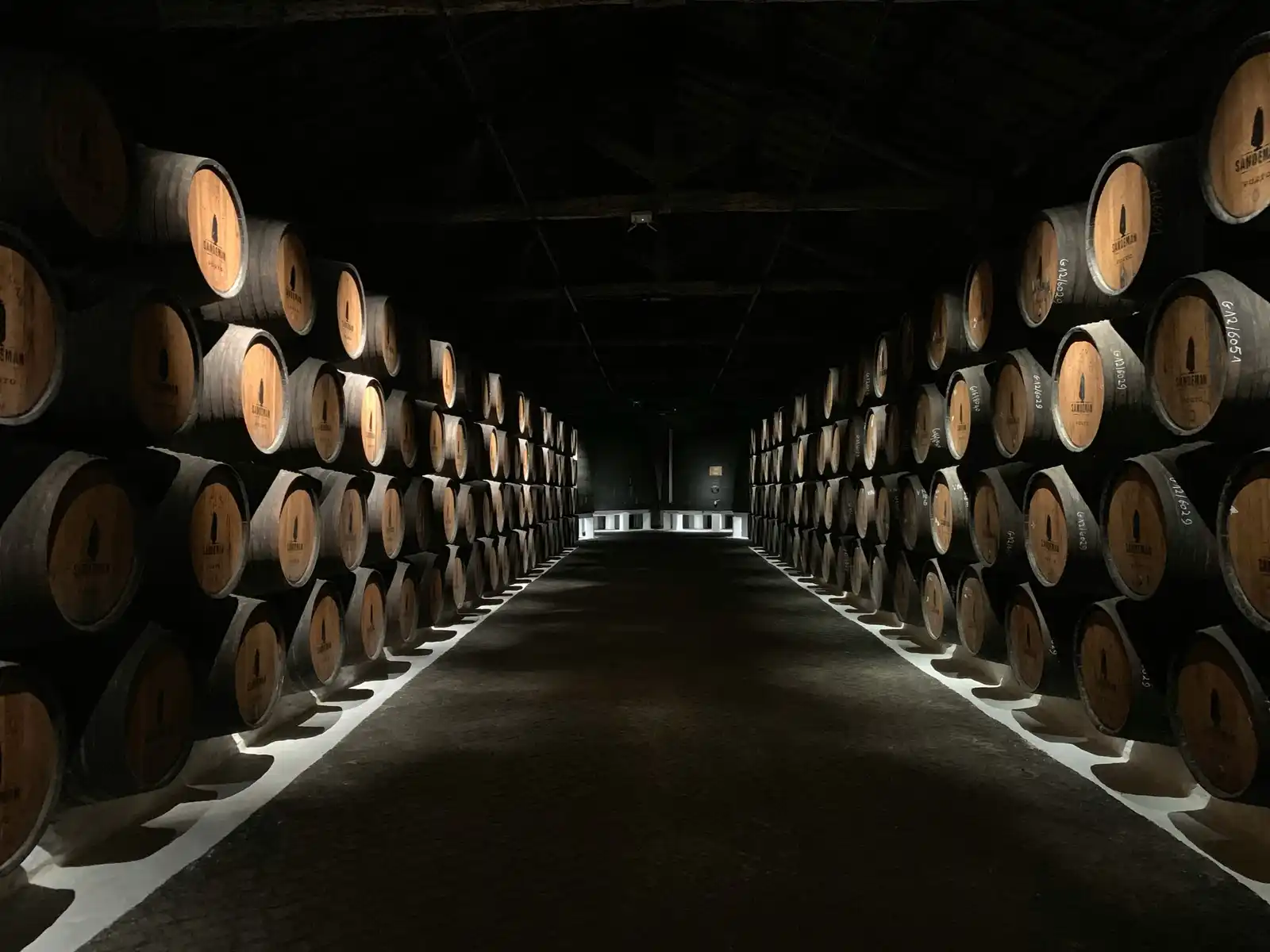
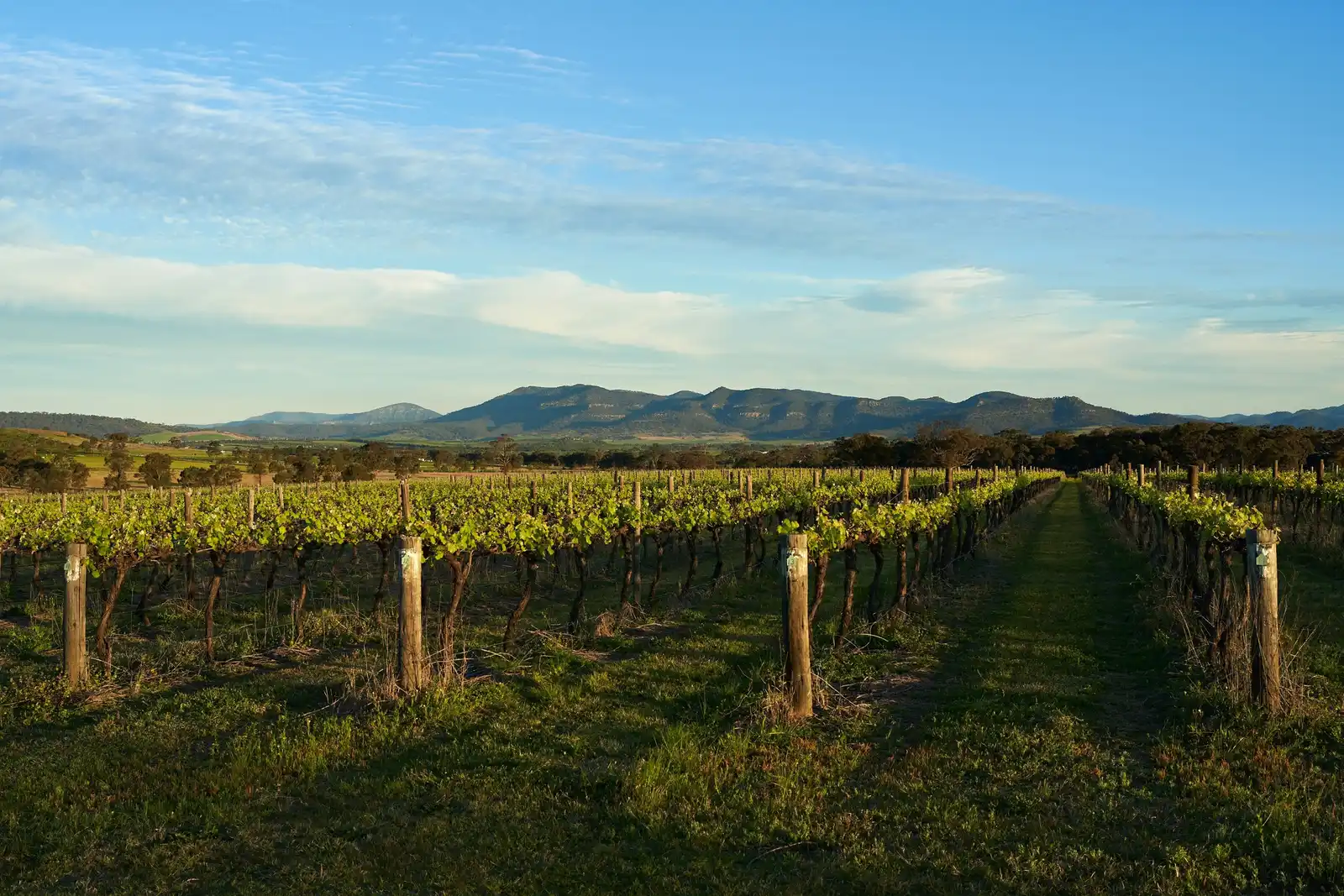
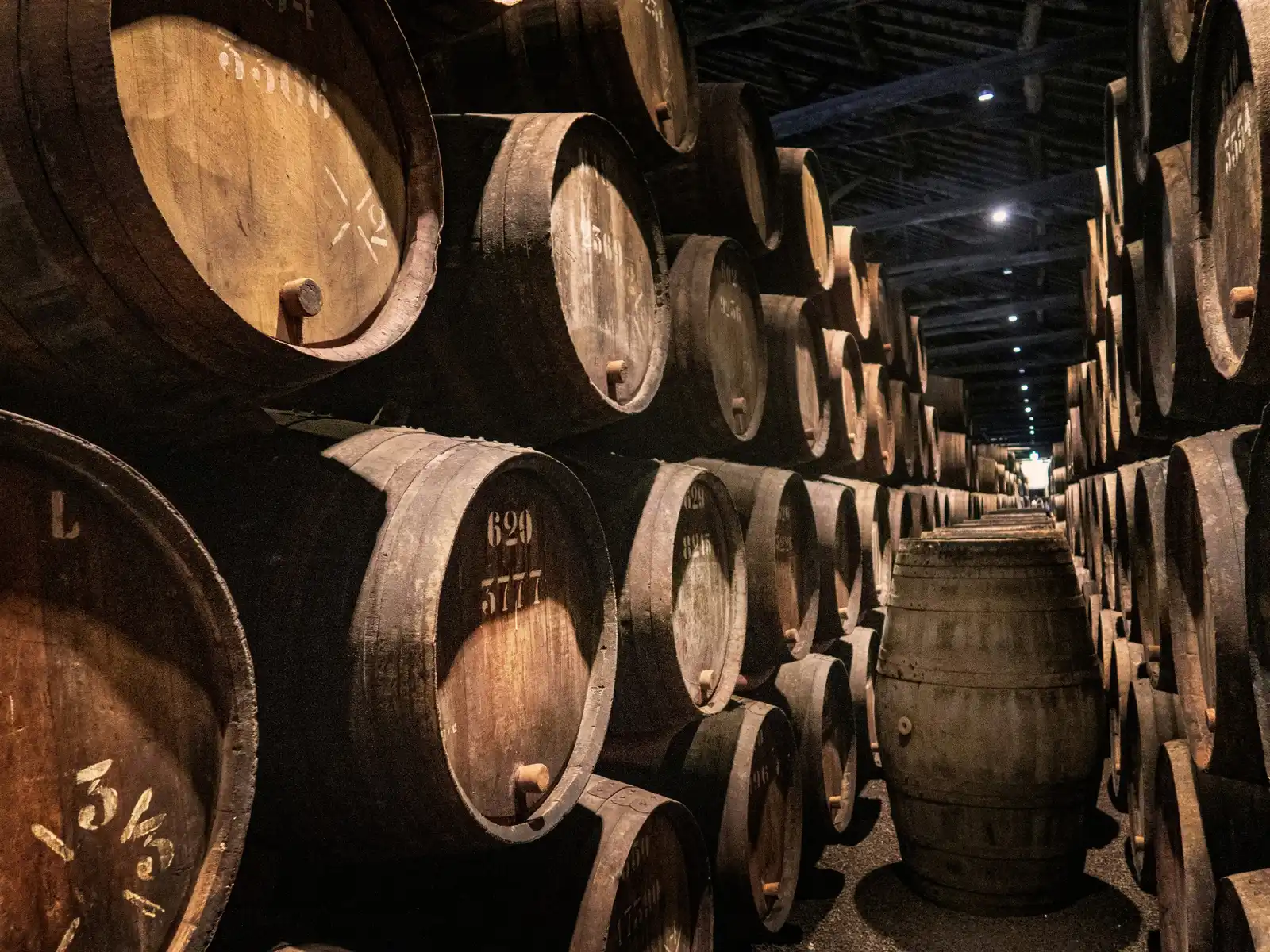
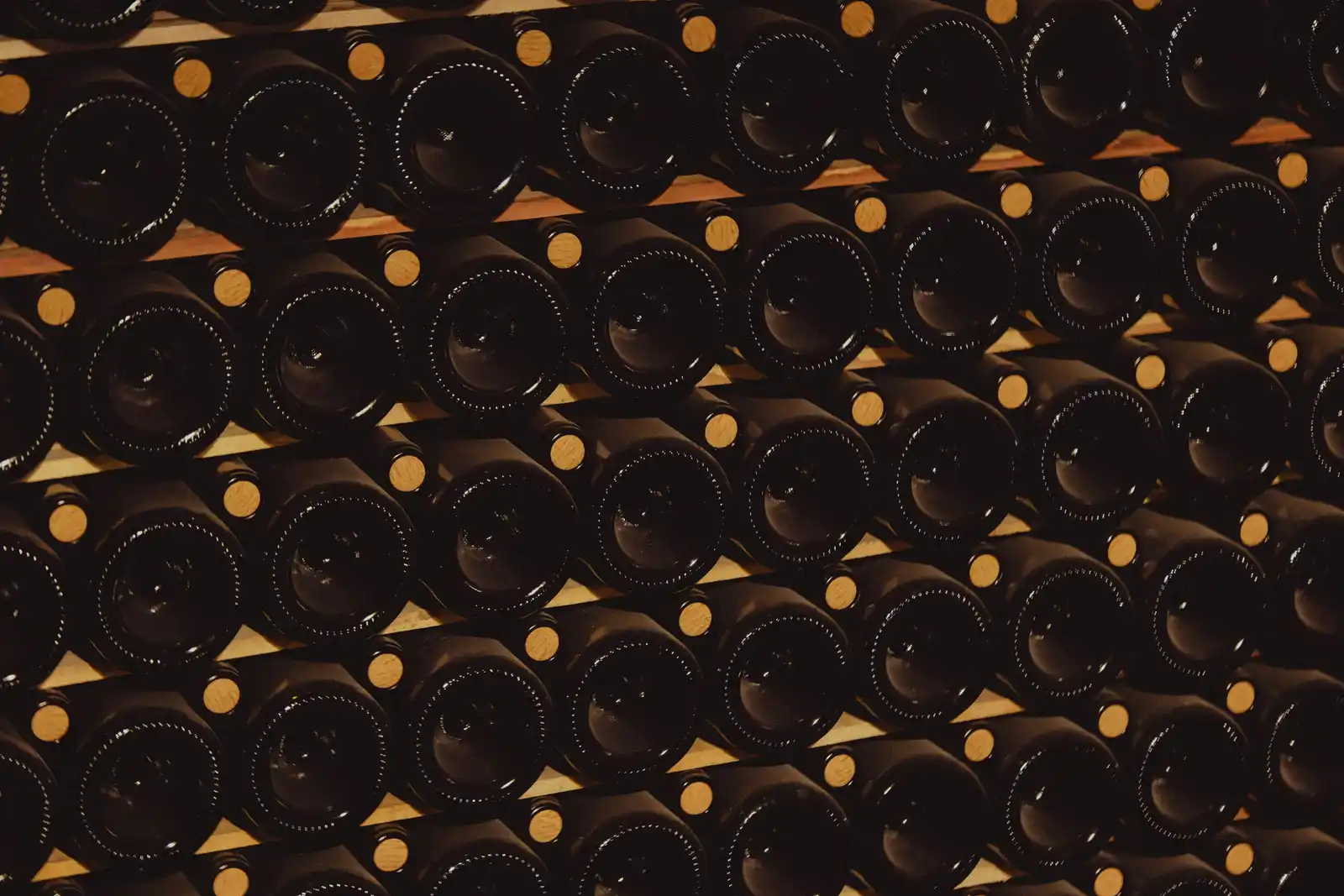
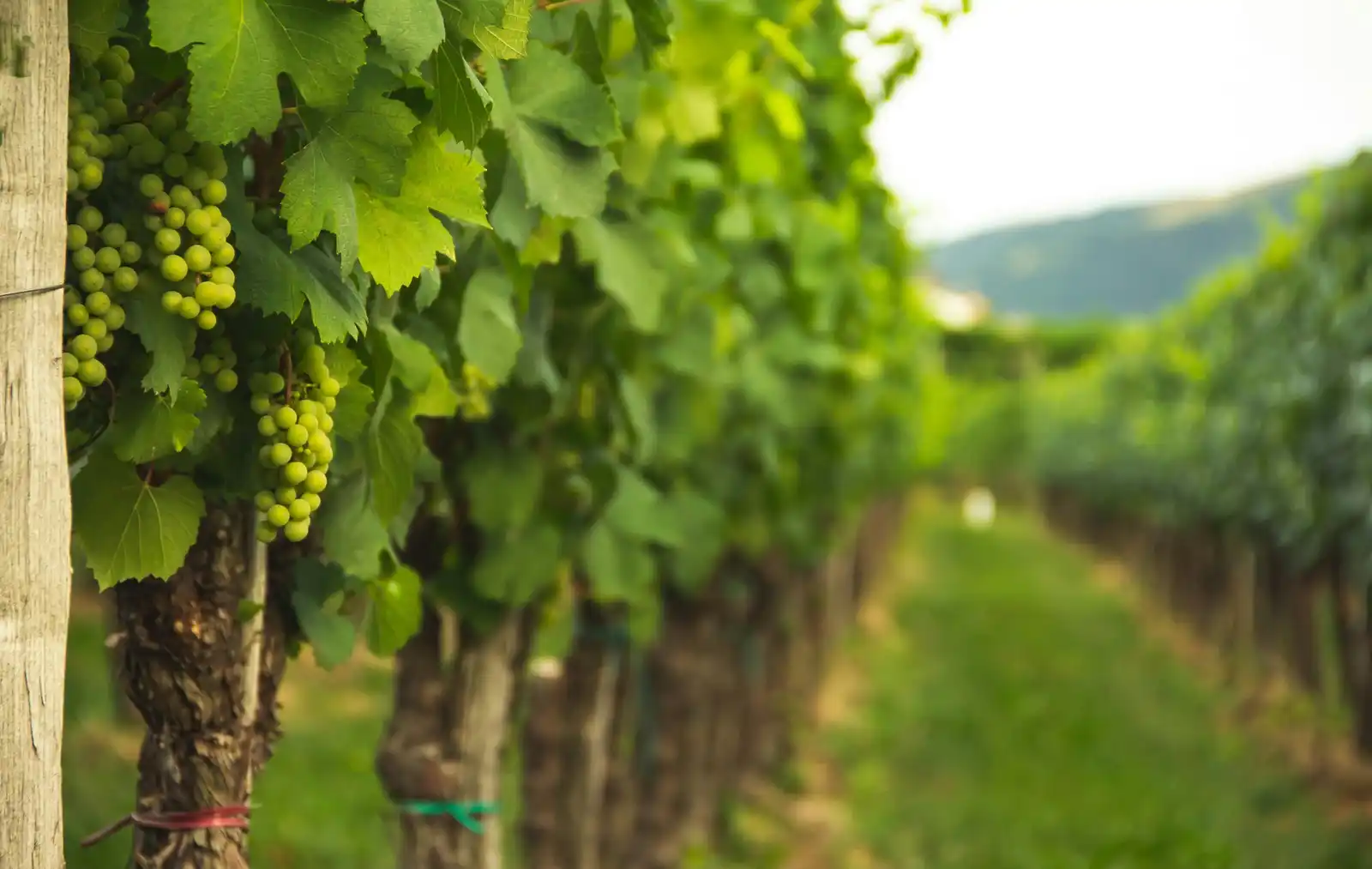
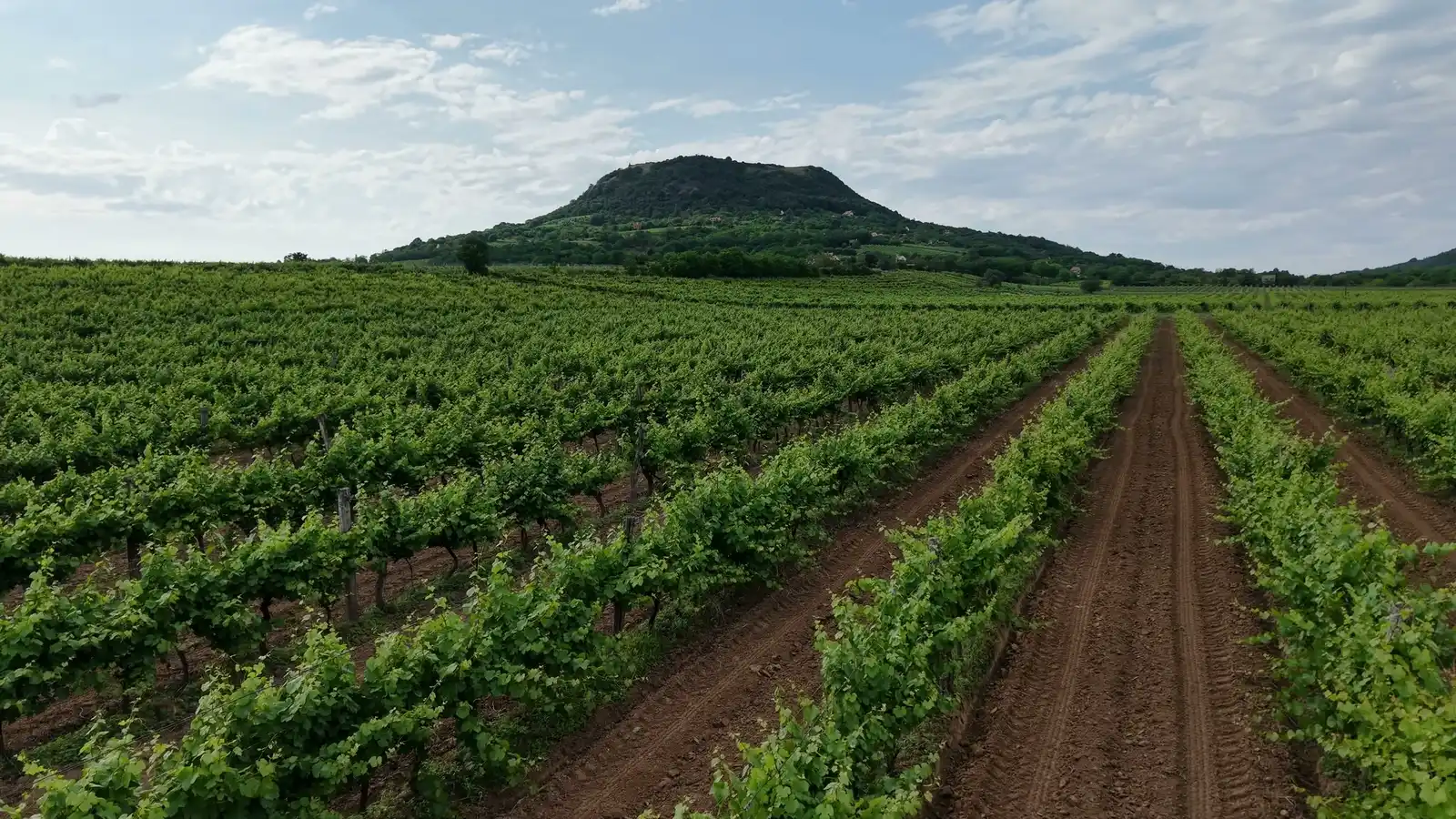
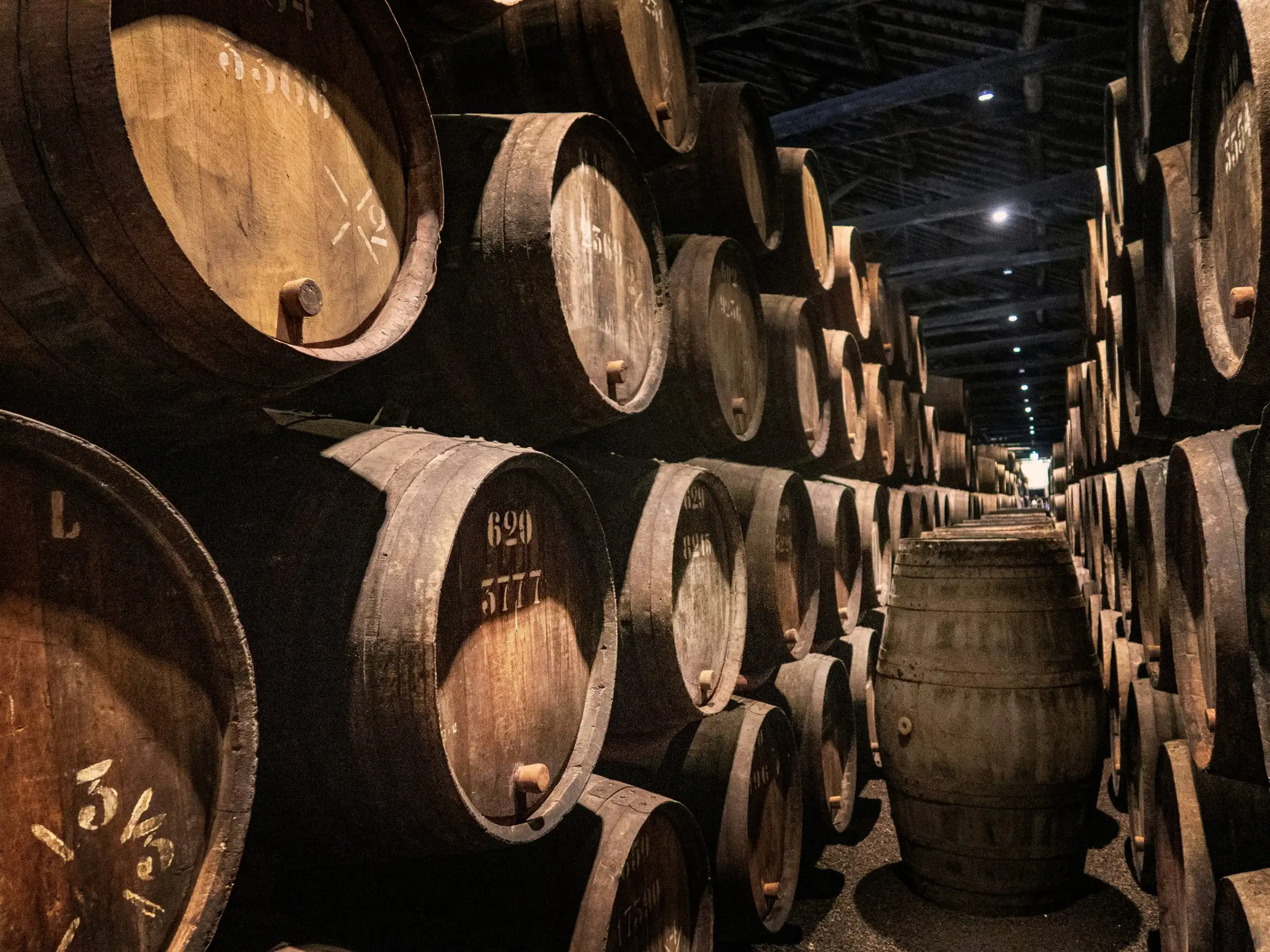
Ember Hill makes four Australian sparkling wines, and every one is made by the traditional method from fruit grown on our own 14 hectares in Pokolbin. The second fermentation happens in the bottle you open, and the bottle then rests on its lees in the cellar under the hill until it is ready, which is three years at the shortest and ten at the longest.
What separates the four is what goes into the bottle and how long it waits. Chardonnay from the Top Block, pinot noir from the Hill Block and pinot meunier from the Creek Block are blended in different proportions, given different years on lees, and finished with a different dosage. The method itself never changes. You can follow it step by step on the vineyard and method page.
Each cuvée also carries a vintage on its label, so what you taste is the fruit of one year on this slope. The current releases run from 2012 to 2021. That makes the years on lees easy to read: the older the vintage, the longer it has waited in the dark, and the more the toast and brioche of the lees have worked their way into the wine.
The range
Each one is a single vintage, on sale here and at the cellar door. Add bottles to your cart, or taste all four at the bench first for $20.
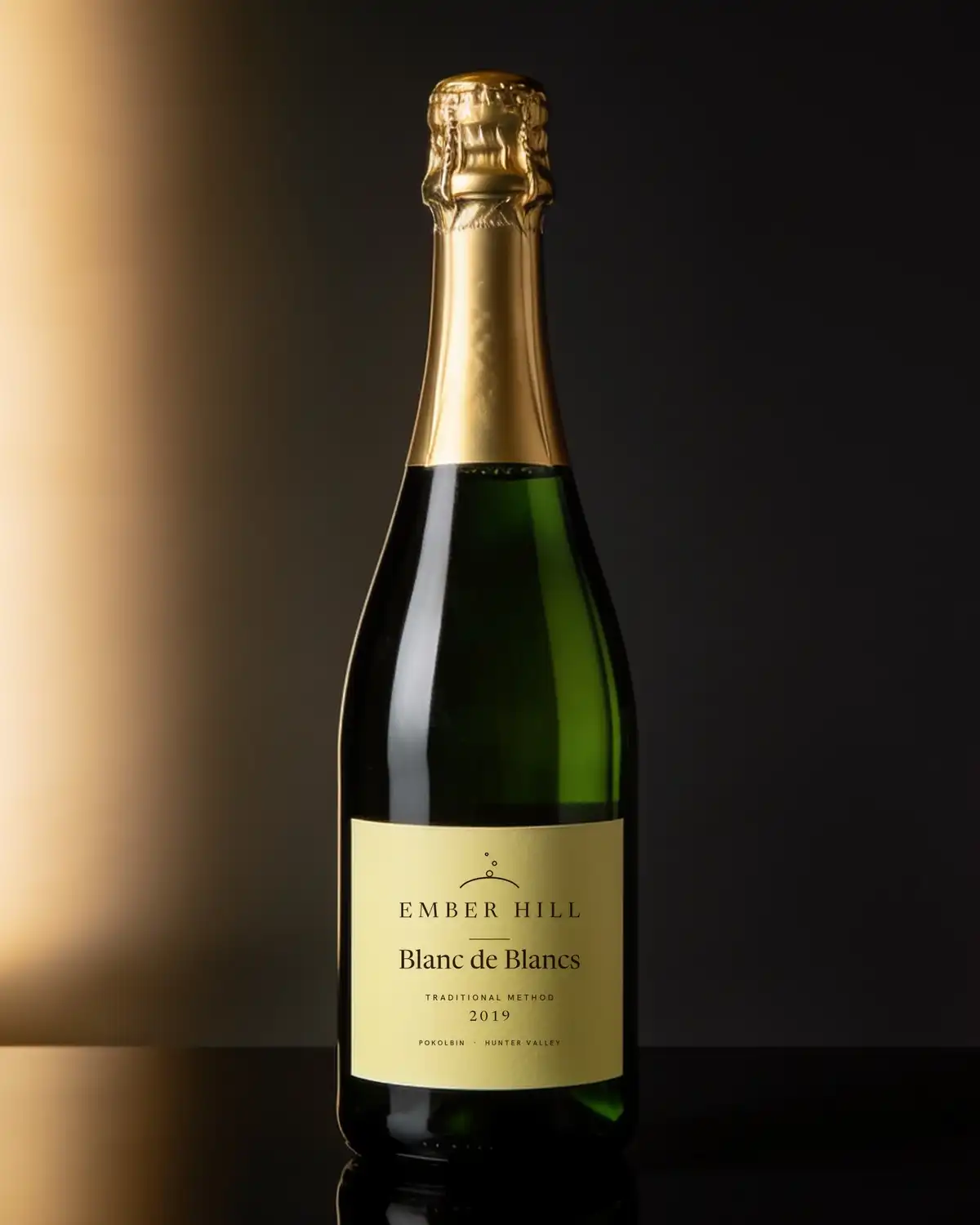
Chardonnay from the Top Block. Lemon pith, brioche, a long chalky finish.
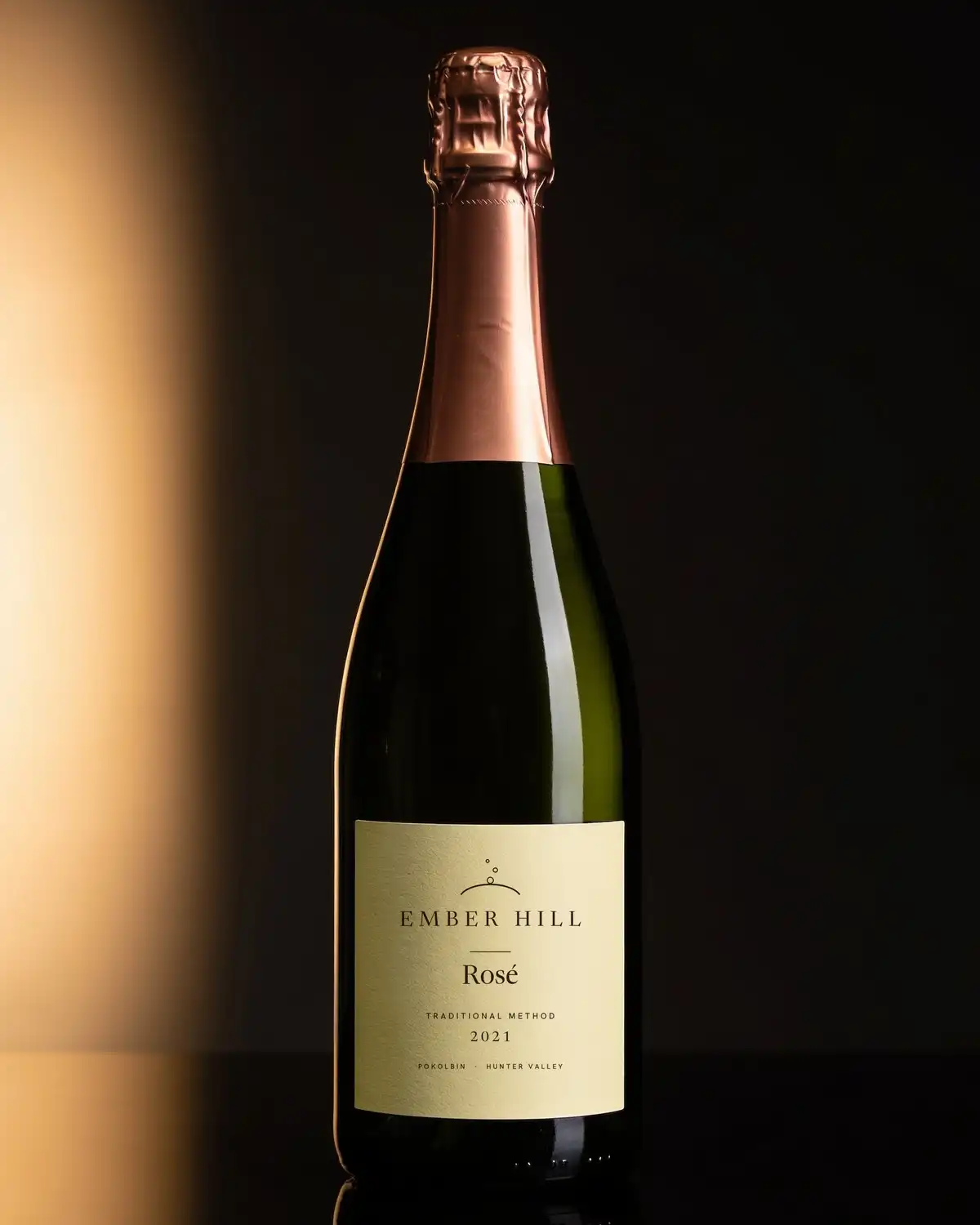
Pinot noir, a day on skins for the colour. Wild strawberry and blood orange.
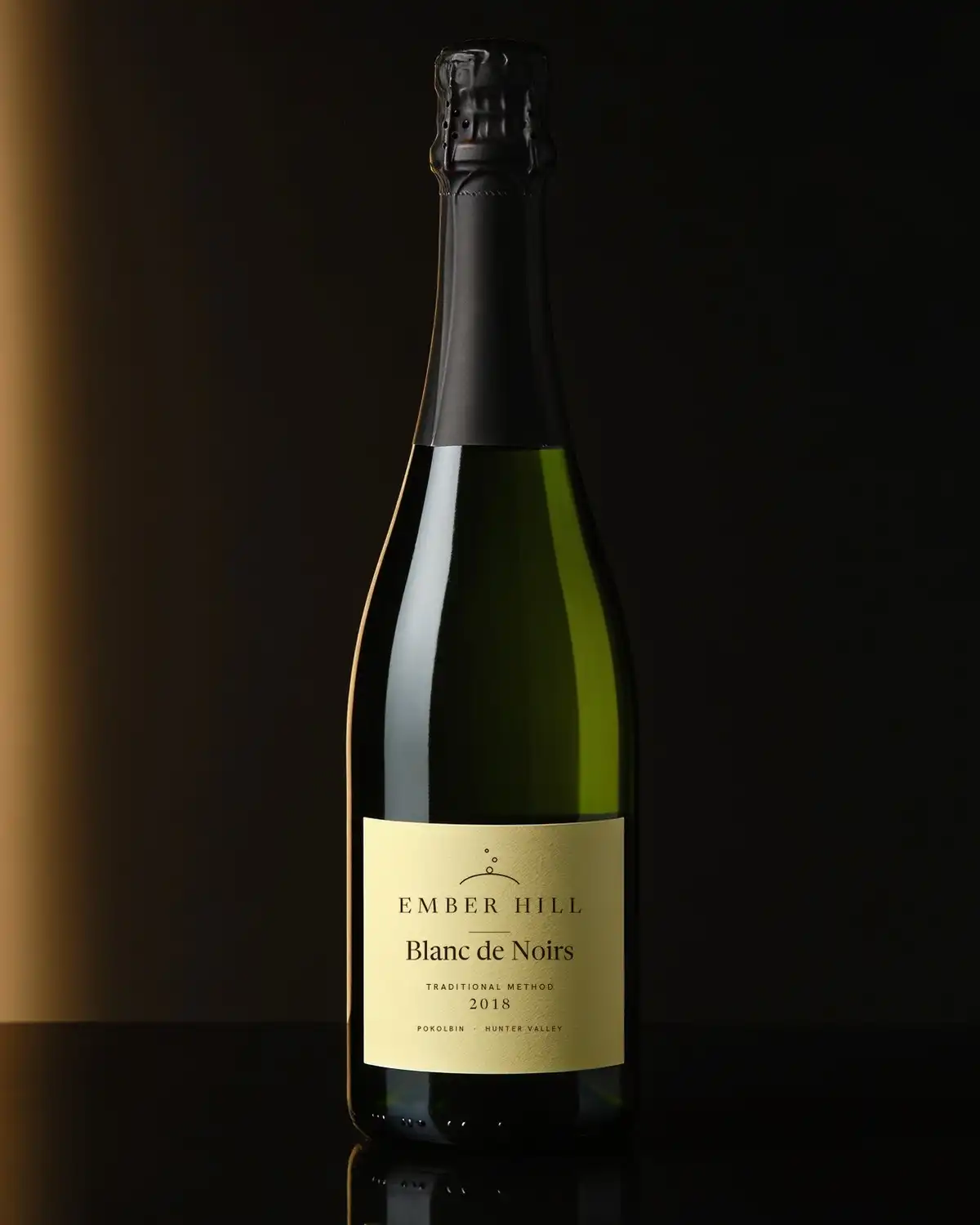
White wine from black grapes. Red apple, almond, more weight in the glass.
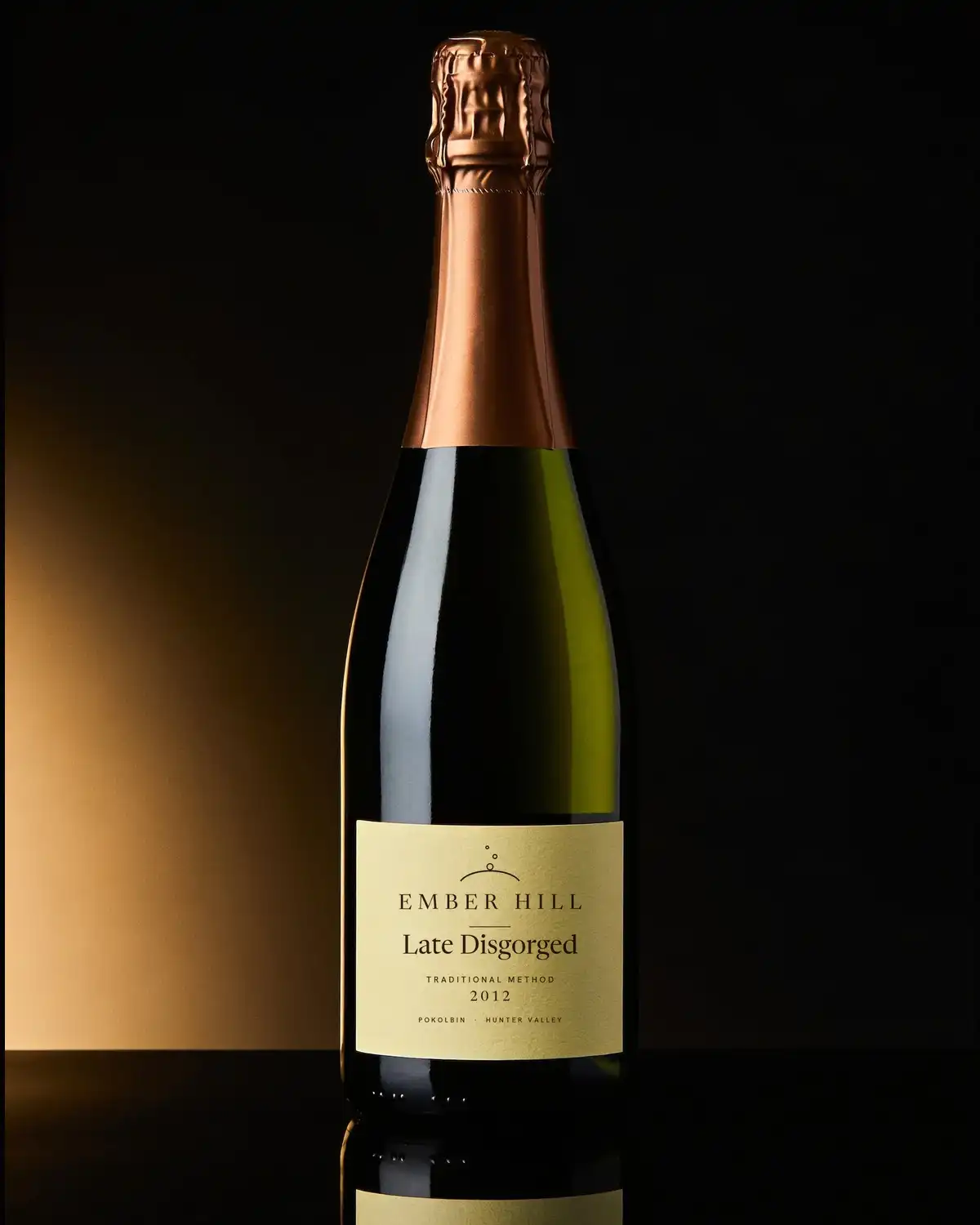
Ten years on lees before we took the cork. Honey, toast, hazelnut.
Side by side
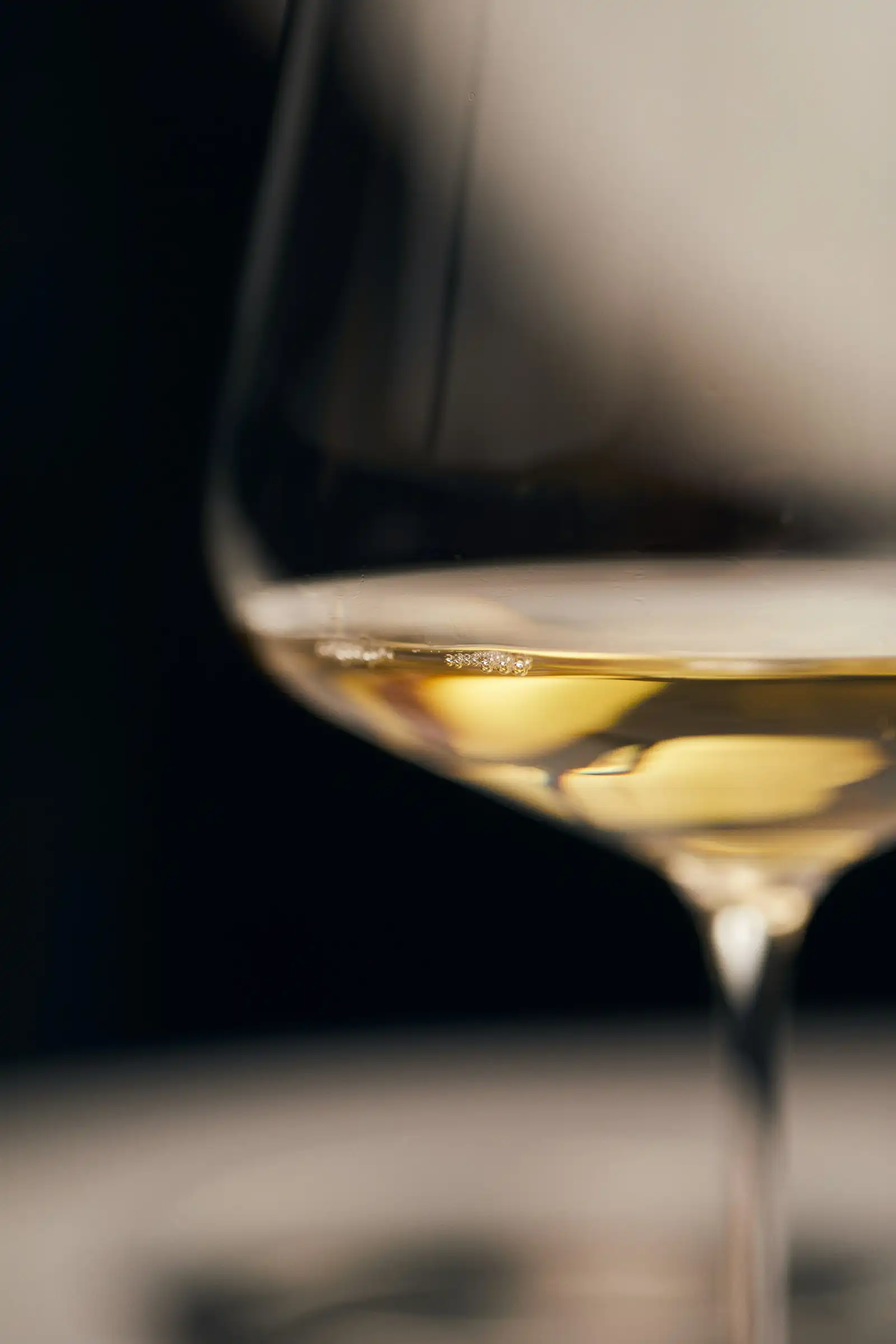
The same eight steps, four different results. Lighter and fresher at the top, deeper and drier at the bottom.
Choosing
People often ask us for the best Australian sparkling wine, as if there were one. There is a right bottle for the moment instead. For a first glass on a warm afternoon, open the Rosé. For oysters, or anyone who likes their sparkling sharp and clean, the Blanc de Blancs. For a dinner with roast chicken or pork on the table, the Blanc de Noirs, which has the weight to sit beside it.
The Late Disgorged is for the occasion you have planned around a bottle, or for someone who already loves aged wine. It has spent ten years in the cellar and tastes of it: honey, toast and hazelnut, with no sugar added at dosage.
At the table
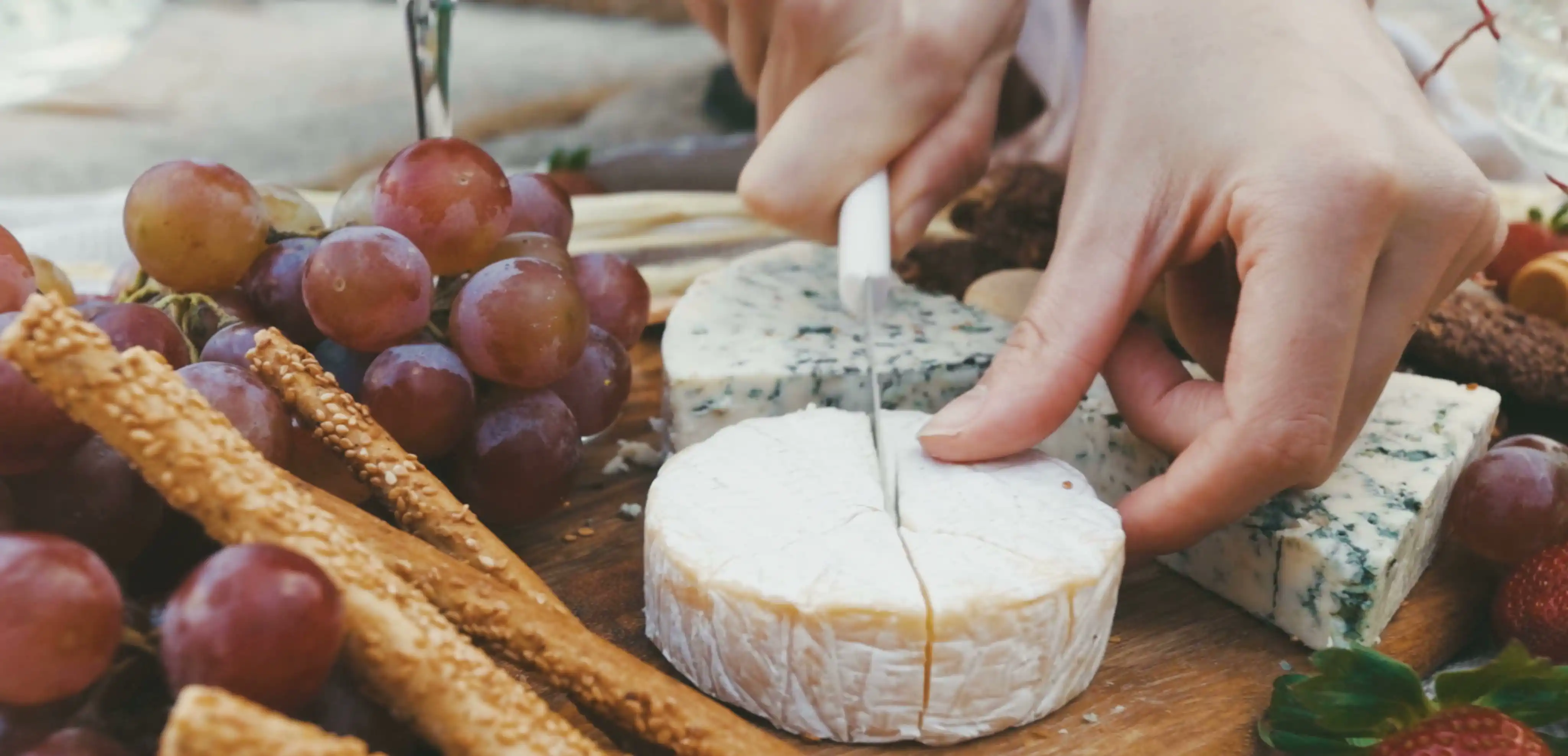
Sparkling wine is the most forgiving bottle on a table, because the acid and the bead cut through salt and fat. The younger, brighter cuvées suit raw and briny food: oysters, crudo, a soft cheese. The ones with more years on lees, and more toast and nut in them, carry richer things such as roast poultry, mushrooms, aged hard cheese and anything with brown butter.
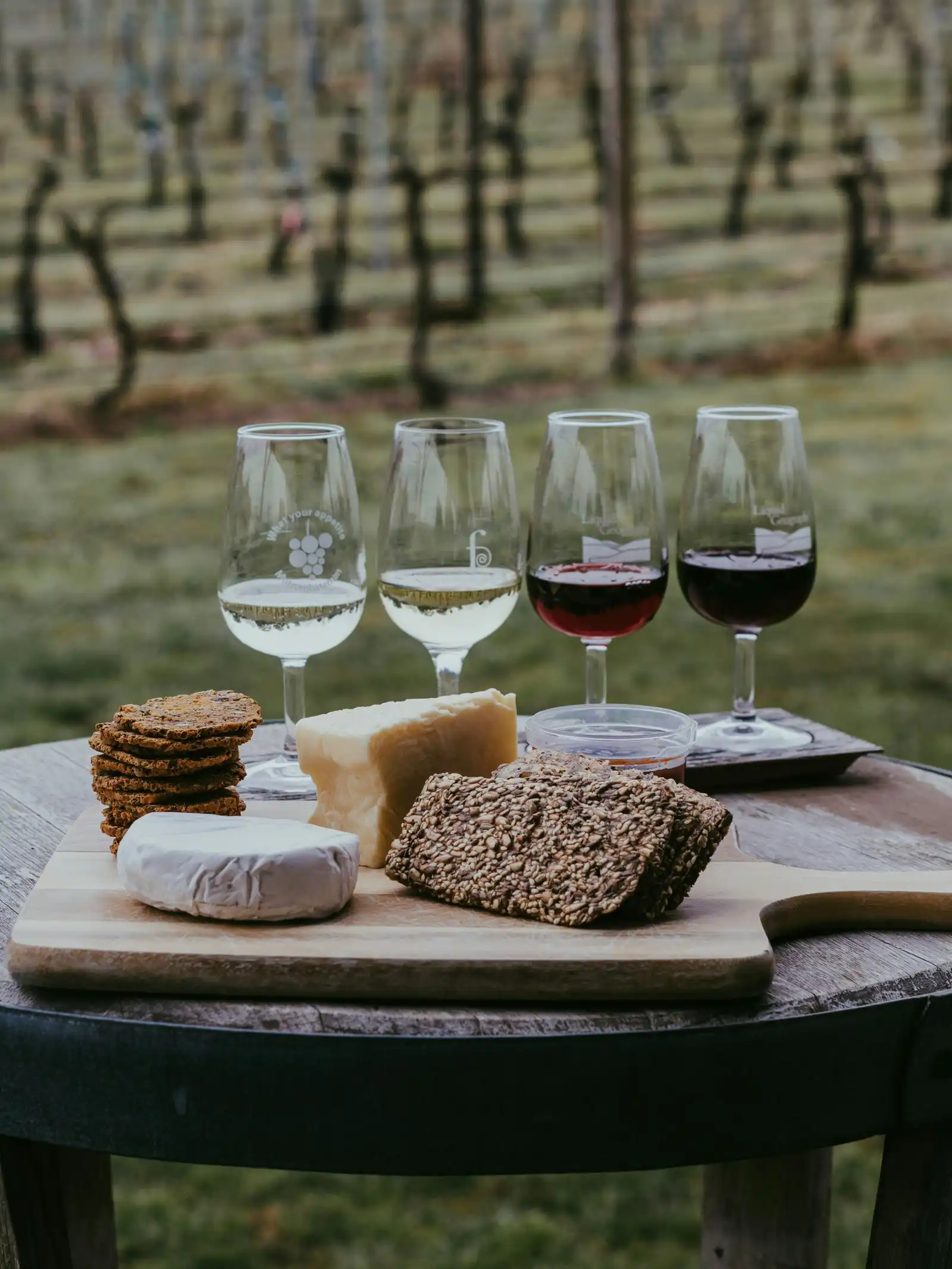
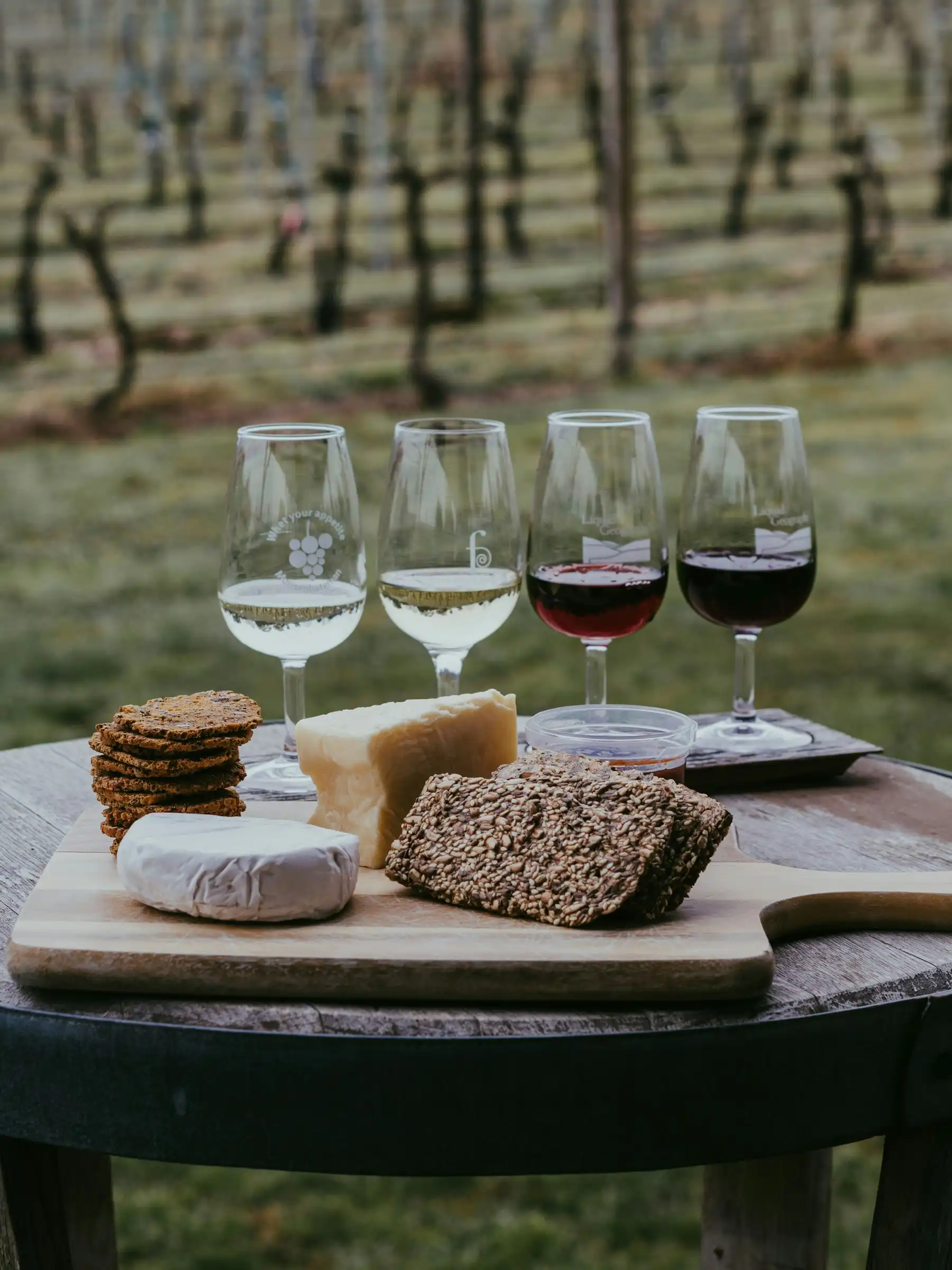
The kitchen at Lees, our restaurant, writes its menu around the four wines, and Port Stephens oysters are on at the oyster bar on Saturday and Sunday, noon to 4pm. For a lighter pairing, the bubbles and cheese tasting matches each cuvée with a Hunter cheese, out on the terrace above the vines.
At home
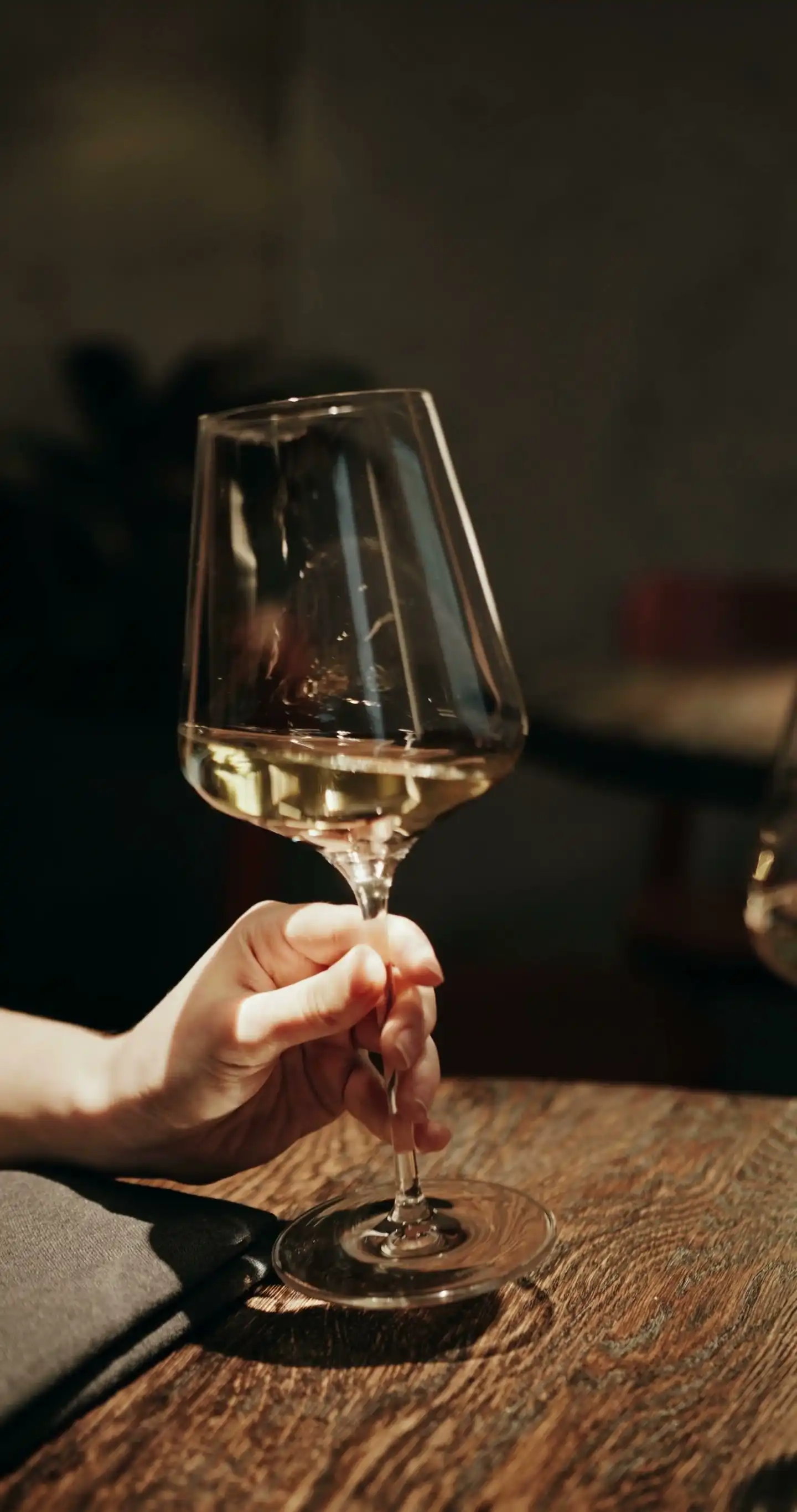
Chill the bottle in the fridge for a few hours, or for 20 minutes in a bucket of ice and water. Serve the Rosé and Blanc de Blancs at about 8°C and give the Blanc de Noirs and Late Disgorged a degree or two more, so their depth shows. A white wine glass shows the aroma better than a narrow flute.
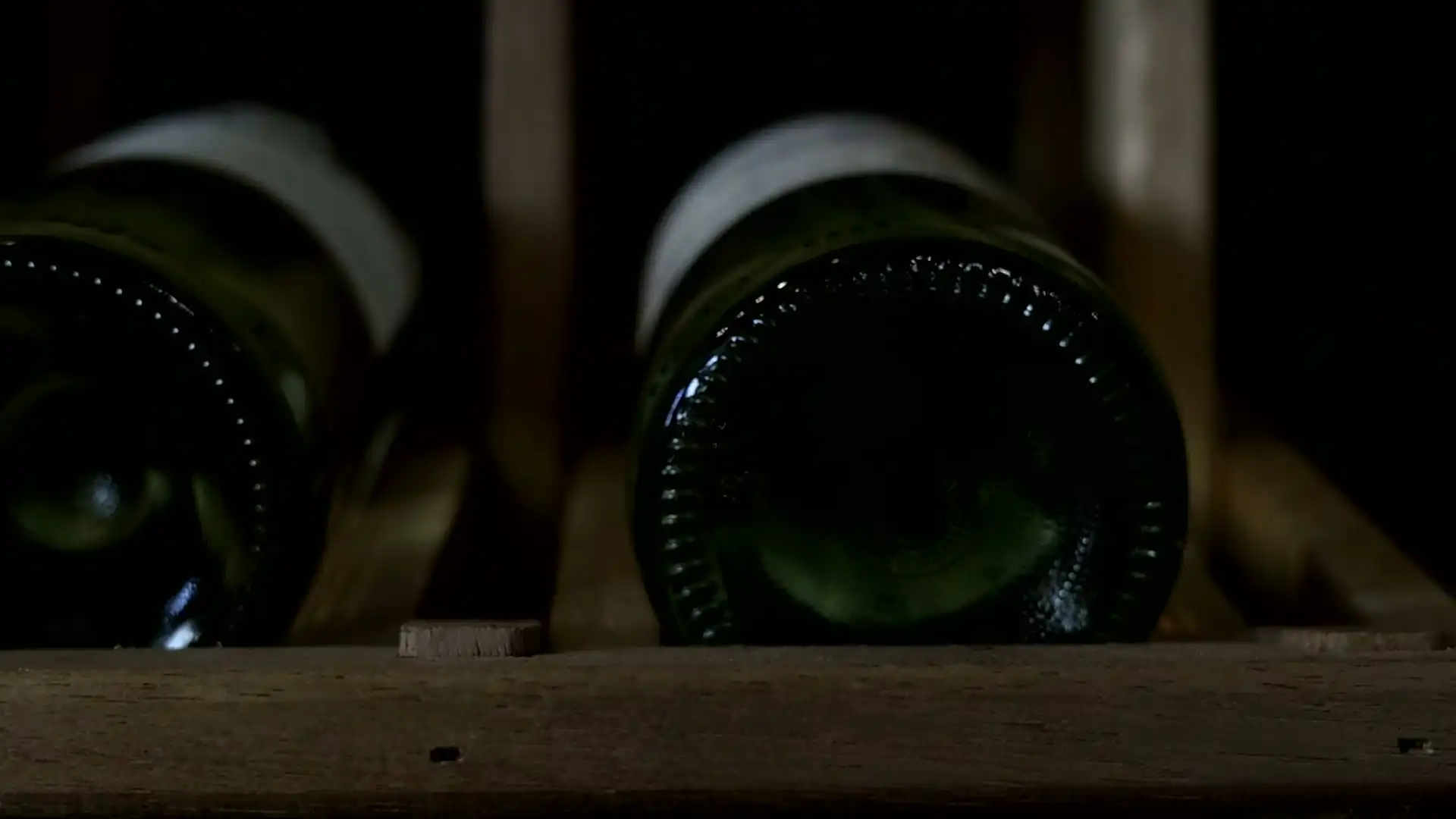
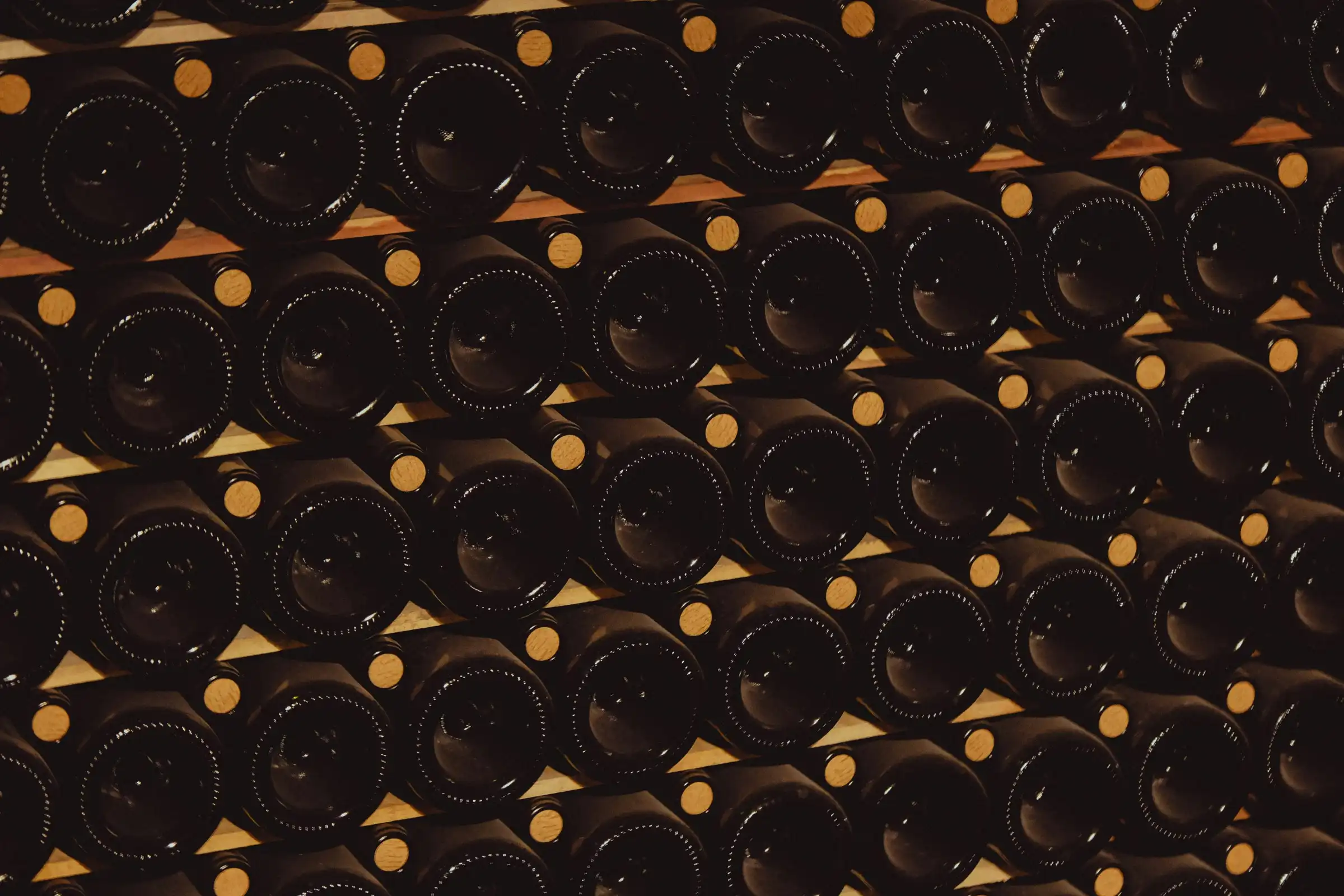
Each cuvée is ready to drink when it leaves us, because the waiting has been done in our cellar. If you want to keep a bottle, lay it on its side somewhere cool, dark and steady. The Rosé is at its freshest young; the Blanc de Noirs and Blanc de Blancs will hold for a few years.
Free delivery on 6 bottles or more to NSW, the ACT, Victoria and Queensland, and on 12 or more anywhere in Australia. An adult signs for every delivery. Members of the club save 15 to 25% on every order.
Questions
All four Ember Hill cuvées are made by the traditional method. A still base wine is bottled with yeast and sugar under a crown seal, ferments a second time in that bottle to make the bubbles, and then ages on its lees in our cellar for three to ten years. Each bottle is riddled by hand, disgorged, given its dosage and closed with a cork and wire before release.
If you are new to the house, start with the Blanc de Blancs 2019 at $68. It is pure chardonnay from the Top Block, five years on lees and brut at 6 g/L, so it shows our style clearly: lemon pith, brioche and a long, chalky finish. If you like a fruitier glass, the Rosé 2021 at $58 is the softer way in. Better still, taste all four at the cellar door for $20.
The Late Disgorged 2012 is the driest. It is brut nature, with no sugar added at dosage, 0 g/L. The Blanc de Noirs 2018 is next, extra brut at 3 g/L. The Blanc de Blancs and Rosé are both brut, at 6 and 7 g/L. Even the brut wines taste dry, because the high acid from early-picked Hunter fruit balances the small amount of sugar.
Serve sparkling wine at about 8 to 10°C. Straight from a domestic fridge it is usually a little colder, so take it out a few minutes before you pour. The fresher cuvées, our Rosé and Blanc de Blancs, sit best at the cooler end. Give the Blanc de Noirs and Late Disgorged a degree or two more so their depth comes through. Too cold, and the aroma closes up.
Yes. Delivery is free on 6 bottles or more to NSW, the ACT, Victoria and Queensland, and free on 12 bottles or more anywhere in Australia. An adult has to sign for every delivery, so choose an address where someone 18 or over will be home, or a workplace that accepts parcels. Club members also receive free delivery Australia-wide on the Mousse and Prestige tiers.
Yes. The cellar door tasting is $20 for 45 minutes and pours all four cuvées plus a glass of base wine from tank. It runs daily, on the hour, from 10am to 4pm, for up to eight people. The bubbles and cheese tasting pairs the four with Hunter cheeses for $45. Both are for guests 18 and over, and please plan a designated driver or a transfer.
Four cuvées and a glass of base wine from tank, poured with the riddling racks behind you. Daily, on the hour, 10am to 4pm, $20.